It was 5:15 PM on a Tuesday, and I was staring into the abyss of my refrigerator. You know the look. The light flickers on, revealing a lonely lemon, a bag of spinach that’s seen better days, and a half-empty bag of linguine. The fridge light buzzes like it’s judging my life choices. I had zero energy, zero patience, and definitely zero desire to order overpriced takeout that would arrive cold in twenty minutes.
Then I remembered I had a bag of frozen shrimp in the freezer. I pulled it out, threw it in a bowl to thaw, and literally just started throwing things into my largest skillet. I wasn’t thinking about fancy techniques or restaurant secrets. I was thinking about how much I wanted to eat something hot, fast, and delicious without doing a mountain of dishes.
That random Tuesday night became the birthplace of my go-to shrimp scampi. I added garlic. Lots of it. Then butter. Then that lemon. And a splash of white wine (or broth, if you’re not drinking tonight). I tossed in the pasta, let it all simmer together in one pan, and—boom. Dinner was served in 15 minutes. My family thought I’d hired a chef. I just felt like I’d hacked the weeknight dinner game.
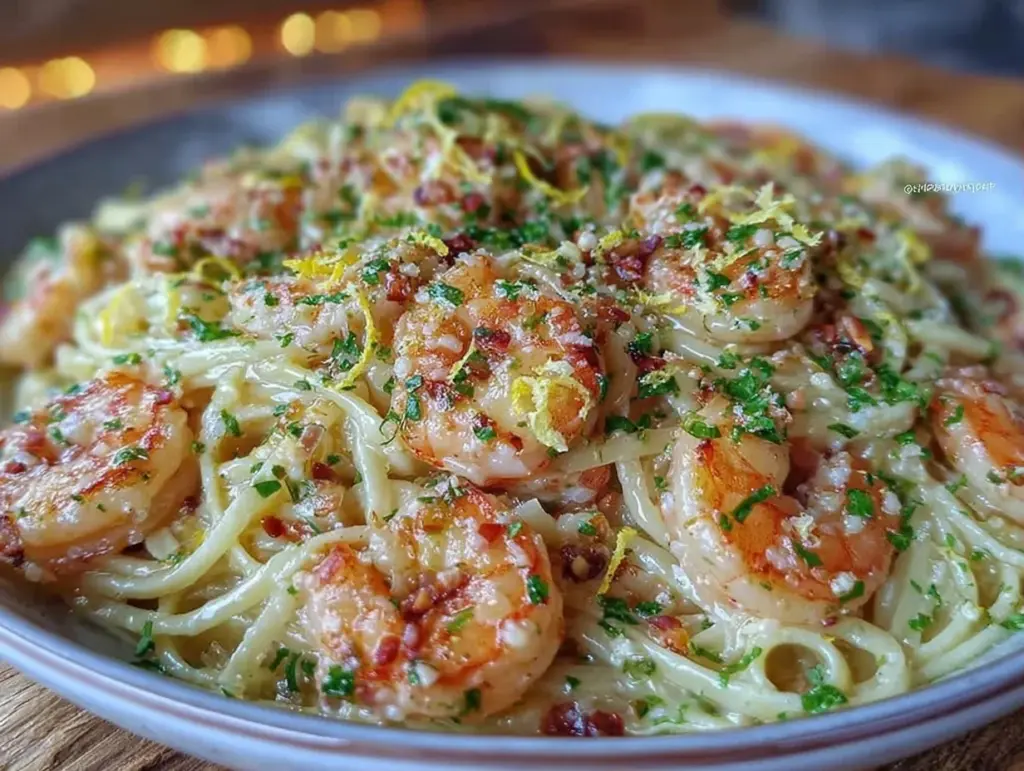
This isn’t some complicated, multi-step ordeal. It’s the definition of a one-pan meal that tastes like it came from a pricey Italian restaurant but costs pennies more than boiling water. If you’re tired of the “what’s for dinner?” panic, this shrimp scampi pasta is your answer. It’s buttery, garlicky, bright with lemon, and ready before you can even set the table.
Why You’ll Love This Recipe
I’ve made this shrimp scampi so many times that it’s basically on autopilot in my brain now. It’s not just about the taste (though that’s huge), it’s about the sheer convenience. Here’s why this recipe has earned a permanent spot in my weekly rotation:
Stupid Fast — Seriously. 15 minutes from start to finish. I’ve timed it. The shrimp thaws while the water boils, and the pasta cooks while the sauce comes together. It’s the fastest hot meal I can make, and I’m not even being dramatic. Perfect for those nights when you’re starving and hangry.
One-Pan Wonder — This is the holy grail of cleanup. I cook the pasta, I make the sauce, and I combine everything in one large skillet or Dutch oven. One pot to wash. One pan to scrub. My husband literally cheers when I say “one pan” because he knows his dishwashing duty is minimal.
Restaurant Quality at Home — You know how shrimp scampi at a restaurant is always perfectly garlicky and never dry? This version replicates that. The trick is using enough butter and finishing it with that fresh lemon juice right at the end. It tastes rich and indulgent, like you spent $30 at a bistro, but it costs about $12 to make for four people.
Flexible and Forgiving — Did you forget to buy white wine? Use chicken broth. Don’t have fresh parsley? Skip it. The pasta is dry? Add a splash of that starchy pasta water. This recipe is incredibly forgiving. It doesn’t require precision measuring to be delicious. It just requires good ingredients and a hot pan.
Light but Satisfying — Despite all the butter and creaminess, this doesn’t leave you feeling heavy and sluggish. The lemon cuts through the richness, and the shrimp is lean protein. It’s a meal that feels like a treat but won’t knock you out of your chair afterward. I can actually be productive after eating this.
Real talk: this is my secret weapon. When I need dinner to just work, this is it. No stress, no mess, just delicious food that makes everyone happy.
Ingredients You’ll Need
Here’s the best part: you probably have most of this already. This shrimp scampi relies on simple, high-impact ingredients. I’m particular about a few things, but mostly, it’s about using what you have.
Shrimp (1 pound / 450g, peeled and deveined) — Look for “wild-caught” if you can find it, but frozen works perfectly. Thaw them in cold water for 15 minutes if you forgot to pull them out. Size matters here: go for medium or large (21-25 count). Tiny shrimp get lost in the sauce; huge ones take forever to cook.
Butter (4 tablespoons / 60g) — Unsalted is better so you can control the saltiness. I use real butter, not margarine. It’s the base of the sauce, so quality matters. If you’re dairy-free, olive oil works, but the flavor changes significantly.
Garlic (5-6 cloves, minced) — Yes, five or six cloves. Don’t be shy. Fresh garlic is non-negotiable for this recipe. Jarred garlic has a metallic aftertaste that ruins the delicate lemon flavor. If you’re lazy, buy pre-minced fresh garlic in a jar, but mince it yourself if you can.
Lemon (2 lemons) — One for juicing, one for garnish. I use both. The juice adds acidity and brightness; the zest adds perfume. Squeeze the juice right before you use it. Bottled lemon juice tastes like cleaning product and will make this dish taste cheap.
White Wine (½ cup / 120ml) — I use Sauvignon Blanc or Pinot Grigio. You want a dry, crisp white wine that you’d actually drink. If you don’t drink alcohol, substitute with low-sodium chicken broth or vegetable broth. It won’t be *exactly* the same, but it’s still delicious.
Pasta (8 ounces / 225g) — Linguine is traditional, but spaghetti, fettuccine, or even angel hair work great. I like long pasta because it holds the sauce well. Gluten-free pasta works too, but rinse it less because it’s starchier and can get gummy.
Parsley (¼ cup fresh, chopped) — Flat-leaf parsley is best. It adds a fresh, herbal note that balances the rich butter. If you don’t have parsley, basil or even just extra lemon zest works.
Red Pepper Flakes (½ teaspoon) — Optional, but I always add a pinch. It gives a subtle warmth that makes you want another bite. Adjust to your spice tolerance.
Salt and Black Pepper — To taste. Remember, shrimp and cheese (if you add it) are salty, so go easy on the salt until the end.
Pasta Water — Reserved from cooking the pasta. This is liquid gold. It helps emulsify the sauce and make it creamy.
Quick tip: Have your shrimp thawed and your garlic minced before you start cooking. Everything moves fast in this recipe, and you don’t want to be peeling shrimp while the garlic burns.
Equipment Needed
You don’t need fancy gadgets for this. Here’s what I actually use, and you probably have it all:
Large Skillet or Dutch Oven — I use a 12-inch stainless steel skillet. It needs to be wide enough to hold the pasta and sauce without overcrowding. A Dutch oven works too if you want to cook the pasta in the same pot, but I prefer separate pans for better control.
Large Pot — For boiling the pasta. Any big pot works. I use my oldest, dented pot for this because I don’t care if it gets stained.
Colander — For draining the pasta. Or just use the lid if you’re feeling adventurous and clumsy (I’ve dropped pasta on the floor, so proceed with caution).
Sharp Knife — For mincing garlic and chopping parsley. A dull knife makes mincing garlic a pain and increases the risk of slipping. Learn to sharpen your knives.
Measuring Spoons — For the red pepper flakes and salt. I eyeball most things, but spices need a little precision.
Wooden Spoon — For stirring. Silicone works too. Avoid metal on non-stick pans.
Grater or Zester — For the lemon zest. A microplane is nice, but a box grater works fine.
That’s it. No special tools required. Just basic kitchen staples.
How to Make It: Step-by-Step
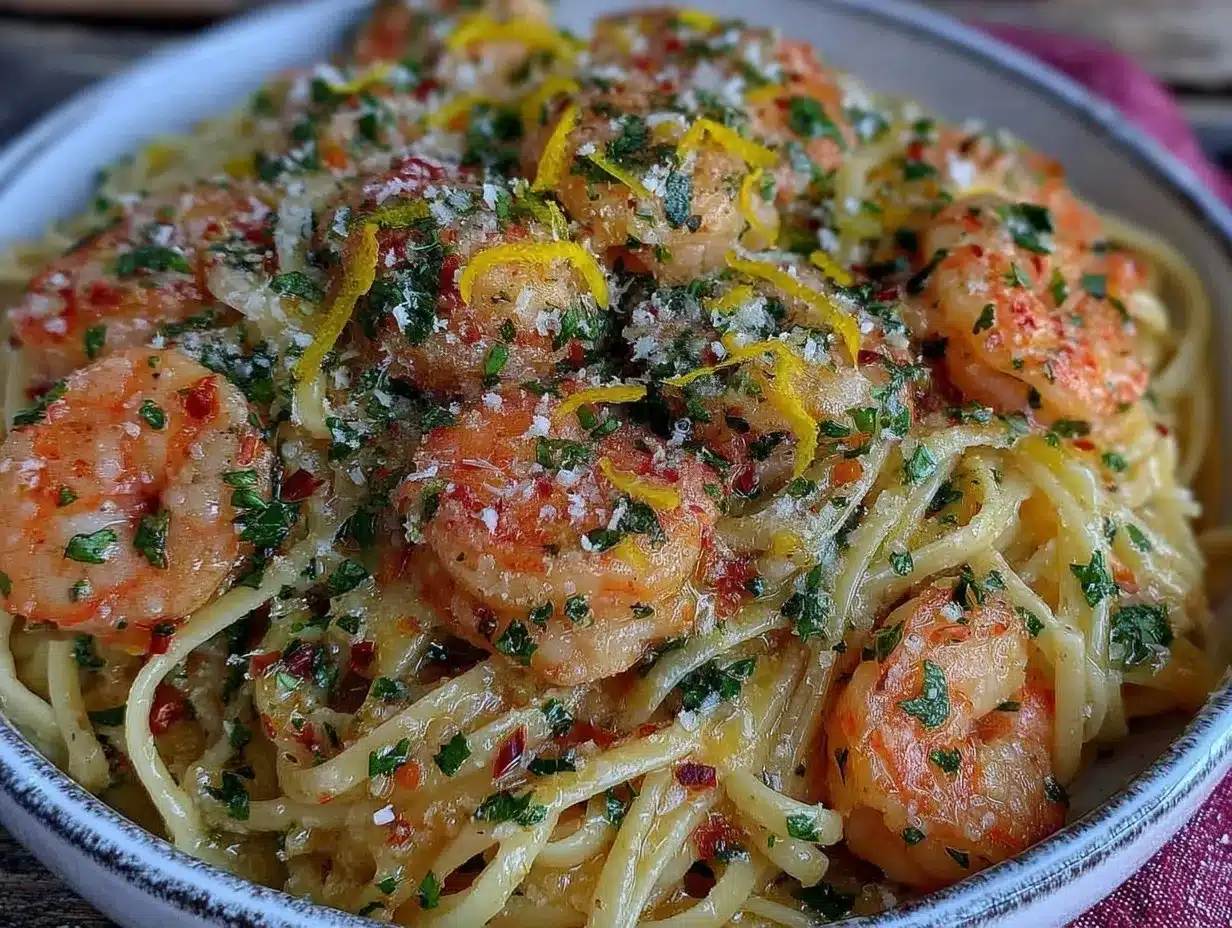
Alright, let’s make this! I’m walking you through exactly how I do it, including the little tricks I’ve picked up over the years.
Step 1: Prep Everything (5 minutes)
Thaw the shrimp if frozen. Pat them dry with paper towels—this is crucial. Wet shrimp steam instead of sear. Mince the garlic. Zest and juice the lemons. Chop the parsley. Measure the wine or broth. Set it all out. Once you start cooking, things happen fast, so being prepped saves you from burning garlic.
Step 2: Boil the Pasta (8-10 minutes)
Bring a large pot of salted water to a boil. The water should taste like the ocean. Add the pasta and cook according to package directions until al dente. IMPORTANT: Before draining, scoop out 1 cup of pasta water and set it aside. This starchy water is magic for the sauce. Drain the pasta and set aside. Don’t rinse it!
Step 3: Sauté the Garlic (2 minutes)
While the pasta cooks, heat the butter in your large skillet over medium heat. Once melted and foaming, add the minced garlic and red pepper flakes. Cook for 1-2 minutes, stirring constantly. The garlic should be fragrant and golden, not brown. Brown garlic tastes bitter. If it starts to darken, lower the heat immediately.
Step 4: Cook the Shrimp (3-4 minutes)
Add the shrimp to the skillet in a single layer. Season with a pinch of salt and pepper. Cook for 1-2 minutes per side until they turn pink and opaque. Don’t overcrowd the pan. If you have a lot of shrimp, cook in batches. Remove the shrimp from the pan and set aside on a plate. Don’t clean the pan; those flavorful bits are staying.
Step 5: Build the Sauce (2 minutes)
Pour in the white wine (or broth) and lemon juice. Scrape up any browned bits from the bottom of the pan with your wooden spoon. Let it simmer for 1-2 minutes to reduce slightly and cook off the alcohol smell. The sauce should smell amazing and look glossy.
Step 6: Combine and Finish (2 minutes)
Add the drained pasta and the cooked shrimp back into the skillet with the sauce. Toss everything together. Add a splash of the reserved pasta water to help the sauce cling to the pasta. Add the chopped parsley and toss again. Taste and adjust salt and pepper if needed. The sauce should be creamy and coating every noodle.
Step 7: Serve
Serve immediately topped with extra lemon zest, fresh parsley, and a drizzle of olive oil if you want extra richness. It’s best eaten hot, right out of the pan.
Total Time: About 15-20 minutes (5 minutes prep, 10-15 minutes cooking).
Expert Tips & Tricks
Here’s everything I’ve learned from making this dozens of times. These tips will save you from my mistakes.
Pat the Shrimp Dry
This is the #1 tip. Wet shrimp won’t sear; they’ll steam. If they’re wet, they’ll release water into the pan and make your sauce watery. Use paper towels. Be aggressive with it.
Don’t Overcook the Shrimp
Shrimp cook incredibly fast. They’re done when they turn pink and opaque. If they’re curling into a tight “C” shape, they’re perfect. If they’re curling into an “O” shape, they’re overcooked and rubbery. Remove them from the heat as soon as they’re done.
Use Pasta Water
I can’t stress this enough. That starchy water is what makes the sauce cling to the pasta. Without it, you’ll have buttery pasta sitting in a pool of oil. Add it gradually until the sauce reaches the consistency you want.
Low Heat for Garlic
Garlic burns easily. Keep the heat at medium or medium-low. If you’re in a rush, don’t crank the heat. It’s better to spend an extra minute than to throw away burnt garlic.
Acid is Key
Don’t skimp on the lemon juice. The acidity cuts through the fat of the butter and shrimp. It brightens the whole dish. Taste it at the end. If it tastes flat, add more lemon juice. If it tastes too sharp, add a little more butter.
Common Mistakes (and how to avoid them):
- Mistake: Sauce is too oily. Fix: You didn’t emulsify it enough. Add a splash of pasta water and whisk vigorously. The starch helps bind the oil and butter.
- Mistake: Shrimp is rubbery. Fix: You cooked it too long. Next time, remove it the second it turns pink.
- Mistake: Garlic is bitter. Fix: You cooked it too hot. Lower the heat next time and stir constantly.
Variations & Substitutions
Once you’ve nailed the basic version, here’s how you can mix it up. I’ve tried all of these.
Creamy Shrimp Scampi
Add ½ cup of heavy cream or half-and-half to the wine/lemon mixture in Step 5. It makes the sauce richer and more like a Alfredo. My kids prefer this version.
Vegetable-Loaded
Add sliced zucchini or cherry tomatoes to the skillet with the shrimp. Cook them until tender. Adds color and nutrition without changing the flavor profile.
Spicy Shrimp Scampi
Double the red pepper flakes or add a dash of cayenne. For serious heat, add a slice of fresh jalapeño with the garlic.
Herb-Forward
Swap parsley for fresh basil or tarragon. Basil makes it taste Italian; tarragon makes it taste French. Both are delicious.
Dietary Modifications:
- Gluten-Free: Use gluten-free pasta. Everything else is naturally GF.
- Dairy-Free: Replace butter with olive oil or vegan butter. The flavor is different but still tasty.
- Lower-Carb: Use zucchini noodles (zoodles) instead of pasta. Toss them in the sauce for 1-2 minutes to warm them through.
Serving & Storage
How to Serve:
I usually serve this straight from the skillet at the dinner table. It looks rustic and stays warm. Pair it with a simple green salad and some crusty bread to soak up the sauce. If you want a full meal, add a side of roasted asparagus or steamed broccoli.
Side Dishes:
– Garlic bread (obviously)
– Simple arugula salad with lemon vinaigrette
– Roasted green beans
– Caesar salad
Storage Instructions:
Refrigerator: Store in an airtight container for up to 2 days. The shrimp might get a bit rubbery upon reheating, but the pasta and sauce will still be good.
Reheating: Reheat gently in a skillet over low heat with a splash of water or broth. Stir frequently. Microwave works but can make the shrimp tough. If you must microwave, do it in 30-second bursts and stir in between.
Freezing: I don’t recommend freezing this. The dairy and shrimp texture suffer. Make it fresh whenever you want it.
Nutrition Information
I’m not a nutritionist, but here’s the breakdown if you’re tracking. Per serving (based on 4 servings):
- Calories: 450
- Protein: 25g
- Carbs: 50g
- Fiber: 2g
- Sugar: 2g
- Fat: 16g
- Sodium: 400mg
It’s not a diet food, but it’s balanced. The shrimp provides lean protein, the pasta gives energy, and the lemon adds freshness. When I want to make it lighter, I use half the butter and double the veggies.
Final Thoughts
So that’s my shrimp scampi! It’s my go-to when I need dinner to just work. It’s fast, it’s easy, and it tastes amazing. I’ve made this more times than I can count, and it never fails to impress.
If you make this, drop a comment and let me know what you think! I love hearing how recipes turn out in your kitchen. And if something doesn’t work, tell me that too—I’m here to help troubleshoot.
Happy cooking! And I hope your kitchen smells half as good as mine does right now.
Frequently Asked Questions
Can I use frozen shrimp?
Yes! In fact, frozen shrimp is often fresher than “fresh” shrimp that’s been sitting in the case. Just thaw them in cold water for 15-20 minutes. Pat them dry thoroughly before cooking. Don’t thaw them in hot water or the microwave, as it can start cooking them unevenly.
What wine should I use for shrimp scampi?
Use a dry, crisp white wine like Sauvignon Blanc, Pinot Grigio, or unoaked Chardonnay. Avoid sweet wines like Riesling or Moscato, as they will make the sauce too sweet. If you don’t drink alcohol, chicken broth or white wine vinegar mixed with water works as a substitute.
Can I make this ahead of time?
Not really. Shrimp scampi is best made fresh. The shrimp can overcook and become rubbery if reheated. The sauce can separate. I recommend prepping the ingredients (mincing garlic, zesting lemon) ahead of time, but cook it right before dinner.
Why did my sauce break and look oily?
This usually happens if the heat was too high or if you didn’t add enough pasta water. The starch in the pasta water helps emulsify the butter and oil. Next time, add a splash of pasta water and whisk vigorously to bring it back together.
Can I use angel hair pasta?
Yes, but be careful. Angel hair cooks in 2-3 minutes, so keep a close eye on it. It can also clump together easily. Toss it with a little olive oil after draining if it’s not going into the sauce immediately.
Is shrimp scampi healthy?
It can be! Shrimp is lean and high in protein. The main calories come from the butter and pasta. If you want to make it healthier, use less butter, add more veggies, or use whole wheat pasta. But honestly, it’s a treat, and enjoying it is part of the health.
Pin This Recipe!
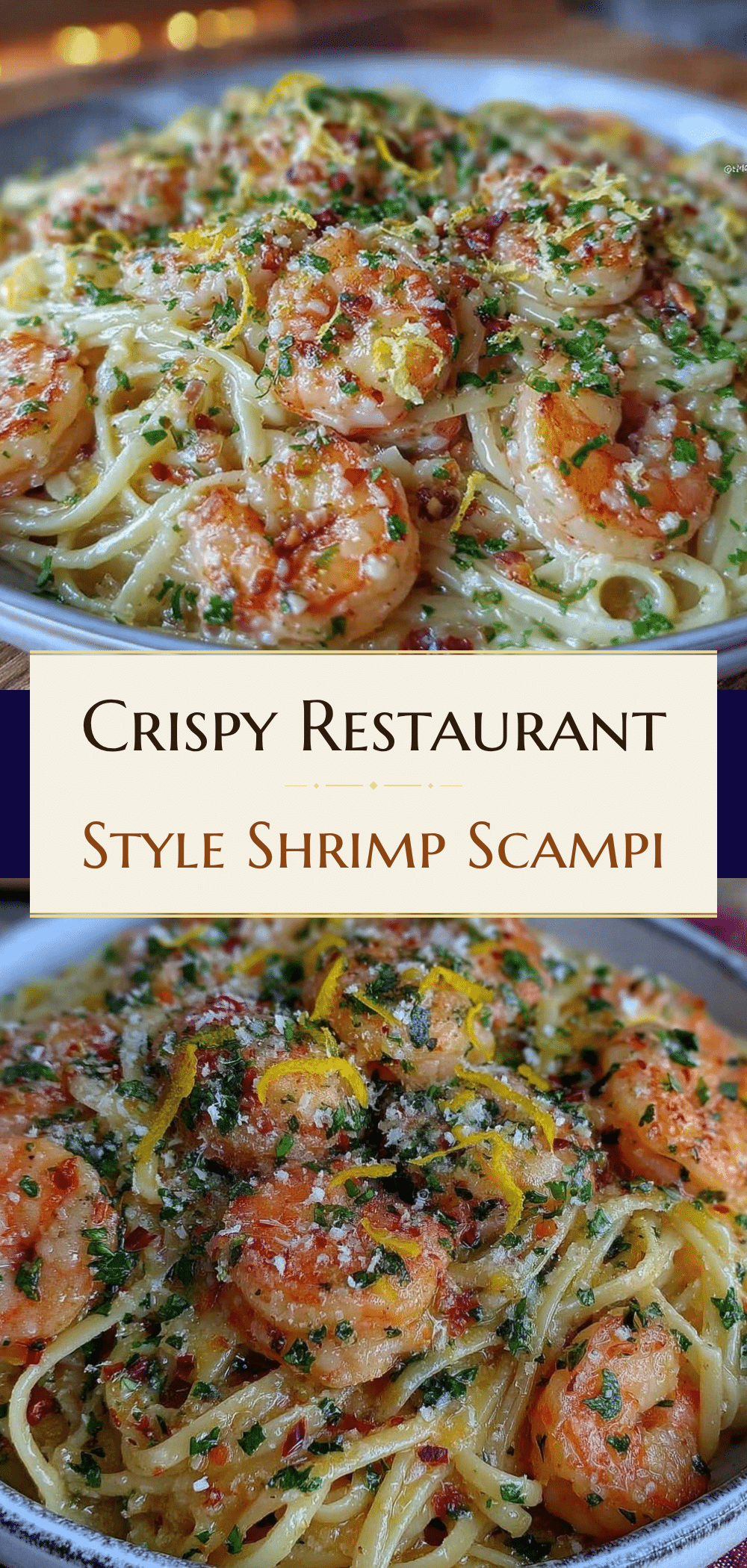
Shrimp Scampi: 15-Min One-Pan Easy Dinner
- Total Time: 15-20 minutes
- Yield: 4 servings 1x
Description
A quick, one-pan shrimp scampi pasta that tastes like restaurant quality but is ready in just 15 minutes. This buttery, garlicky, and lemon-bright dish is perfect for busy weeknights.
Ingredients
- 1 pound (450g) shrimp, peeled and deveined
- 4 tablespoons (60g) unsalted butter
- 5–6 cloves garlic, minced
- 2 lemons (one for juicing, one for garnish)
- ½ cup (120ml) dry white wine (or chicken/vegetable broth)
- 8 ounces (225g) linguine or spaghetti
- ¼ cup fresh flat-leaf parsley, chopped
- ½ teaspoon red pepper flakes
- Salt and black pepper to taste
- Reserved pasta water
Instructions
- Thaw frozen shrimp if necessary and pat them completely dry with paper towels. Mince garlic, zest and juice lemons, and chop parsley. Set all ingredients aside.
- Bring a large pot of salted water to a boil. Cook pasta according to package directions until al dente. Before draining, reserve 1 cup of pasta water. Drain pasta and set aside.
- While pasta cooks, melt butter in a large skillet over medium heat. Add minced garlic and red pepper flakes, cooking for 1-2 minutes until fragrant and golden (do not brown).
- Add shrimp to the skillet in a single layer. Season with salt and pepper. Cook for 1-2 minutes per side until pink and opaque. Remove shrimp from pan and set aside.
- Pour white wine (or broth) and lemon juice into the skillet. Scrape up browned bits from the bottom. Simmer for 1-2 minutes to reduce slightly.
- Add the drained pasta and cooked shrimp back to the skillet. Toss to combine. Add a splash of reserved pasta water to help emulsify the sauce. Stir in chopped parsley.
- Taste and adjust seasoning with salt and pepper. Serve immediately topped with extra lemon zest and parsley.
Notes
Pat shrimp dry to ensure they sear rather than steam. Do not overcook shrimp or they will become rubbery. Use reserved pasta water to emulsify the sauce and make it creamy. If making dairy-free, substitute butter with olive oil. For a creamy version, add ½ cup heavy cream in step 5.
- Prep Time: 5 minutes
- Cook Time: 10-15 minutes
- Category: Main Course
- Cuisine: Italian
Nutrition
- Serving Size: 1 plate per person
- Calories: 450
- Sugar: 2
- Sodium: 400
- Fat: 16
- Saturated Fat: 8
- Carbohydrates: 50
- Fiber: 2
- Protein: 25
Keywords: shrimp scampi, one-pan dinner, quick pasta, weeknight dinner, easy seafood, garlic butter pasta, 15 minute meals