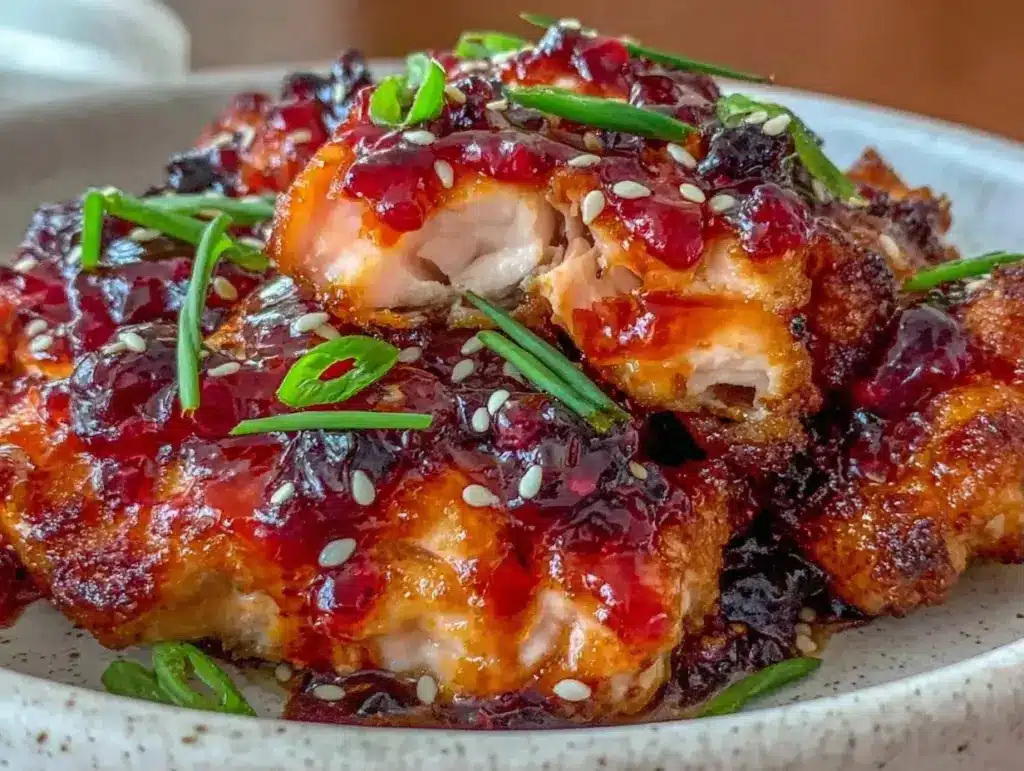
It was 5:03 PM on a Tuesday. You know the time. The “witching hour” of dinner. The sun is starting to dip, my brain is officially offline, and I’m staring into the refrigerator like it holds the secrets to the universe. Spoiler alert: it doesn’t. It holds half a jar of pickled ginger and a sad-looking bunch of cilantro.
Usually, this is the moment I cave. I open Uber Eats, stare at the $18 delivery fee, and feel a wave of guilt so heavy I could barely lift my thumb to scroll. But last week, I stopped. I looked at the freezer. There were two salmon fillets left. Just enough. And then I remembered I had a jar of gochujang—Korean chili paste—sitting in the back of my spice drawer, collecting dust since I bought it for a soup recipe three years ago.
I didn’t have time to think. I didn’t have time to plan. I just threw the salmon in a pan, mixed the gochujang with honey, soy sauce, and garlic, and watched it sizzle. Ten minutes later, I had the most incredible, sticky, spicy-sweet glaze coating perfectly flaky fish. My kids, who usually reject anything “too spicy” or “weirdly colored,” asked for seconds. I didn’t even have to bribe them.
This gochujang honey glazed salmon is the kind of recipe that feels like cheating. It’s vibrant, it’s got a kick, and it cooks in the time it takes to set the table. I’ve made this at least a dozen times since that Tuesday panic. It’s become my go-to answer when I’m exhausted, when I want to eat well, and when I absolutely do not want to do dishes.
If you’re standing at your stove right now, wondering what to make, stop scrolling. This is it. It’s fast, it’s flavorful, and it’s going to save your weeknight.
Why You’ll Love This Gochujang Salmon
Look, I’m not here to convince you that eating fish is a noble lifestyle choice. I’m here to tell you that this gochujang honey glazed salmon is the easiest, tastiest thing you’ll make all week. Here’s why it’s taking over my kitchen:
It’s a 15-Minute Miracle — Seriously. From the moment I pull the salmon out of the fridge to the moment I plate it, it’s 15 minutes max. The marinade takes 2 minutes. The cooking takes 10. The cleanup? One pan. That’s it. I’ve cooked this while helping my son with math homework, and it didn’t burn.
The Flavor is Explosive — Gochujang is this funky, fermented, spicy-sweet paste that tastes nothing like regular chili flakes. When you mix it with honey, it creates this sticky, caramelized glaze that clings to the fish. It’s umami heaven. It’s complex, but it’s also just… delicious. My husband, who usually prefers plain grilled chicken, now asks for this specifically.
It’s Kid-Approved (Mostly) — I know, I know. “Spicy salmon for kids?” I was skeptical too. But the honey balances the heat so perfectly that it’s more “warm” than “fire-breathing.” I use about half the amount of gochujang for the kids and full spice for us. Everyone leaves the table happy. No screaming, no hidden peas in the napkin.
Zero Stress Cleanup — This is the big one. I cook this in a single skillet. Maybe I use a small bowl to mix the sauce, but that’s it. One pan to wash. When you’re running on three hours of sleep, that matters. A lot.
Pantry Staples — You probably have most of this already. Salmon (frozen is fine), gochujang (once you buy it, you’ll use it for everything), honey, soy sauce, garlic, ginger, sesame seeds. It’s not a grocery run. It’s a pantry raid.
This recipe is my secret weapon for busy weeknights. It makes me look like I planned dinner all day, when really, I just threw stuff in a pan. It’s reliable, it’s tasty, and it makes me feel like a good parent who isn’t relying on takeout every night.
Ingredients You’ll Need
Here’s the best part: this list is short. I’m not asking you to buy ten weird ingredients you’ll only use once. Here’s what you need for the glaze and the fish.
SALMON FILLETS (4 pieces, about 6oz each) — I use wild-caught sockeye or pink salmon when on a budget. It’s leaner and holds up well. Atlantic salmon is richer and fattier, which is also great if you can afford it. Make sure they’re roughly the same size so they cook evenly. If you buy frozen, thaw them in the fridge overnight or in a bag of cold water for 30 minutes.
GochujANG (3 tablespoons) — This is the star. Korean chili paste. It’s thick, red, and fermented. You’ll find it in the Asian aisle of most grocery stores, or online. Don’t substitute with sriracha or gochugaru (flakes)—the texture and flavor are totally different. Once you get this jar, you’ll start putting it in everything from mac and cheese to fried rice.
HONEY (2 tablespoons) — This balances the heat and helps the glaze caramelize. Maple syrup works in a pinch, but honey gives that specific sticky sheen I love. Use whatever honey you have lying around.
SOY SAUCE (1 tablespoon) — Adds saltiness and depth. Low-sodium is better so you can control the salt level. Tamari works if you need gluten-free.
FRESH GARLIC (3 cloves, minced) — Yes, fresh. No jarred garlic for this. It needs to be fragrant and sharp. If you’re feeling lazy, a quarter teaspoon of garlic powder works, but fresh is better.
FRESH GINGER (1 teaspoon, grated) — Grate it on a microplane for fine bits. Ginger adds that bright, zesty kick that cuts through the richness of the fish. If you don’t have fresh, half a teaspoon of ground ginger is okay, but it’s not as vibrant.
SESAME OIL (1 teaspoon) — Just a little bit. It adds that nutty aroma that screams “Asian-inspired.” Don’t skip this. It’s the magic scent.
VEGETABLE OIL (1 tablespoon) — For frying the salmon. Use a neutral oil like canola, avocado, or grapeseed. Olive oil can smoke at high heat, and we want that sear.
SESAME SEEDS (1 tablespoon, toasted) — For garnish. Toasting them takes 30 seconds in a dry pan and makes them pop with flavor. White or black seeds both work.
GREEN ONIONS (2 stalks, sliced) — For garnish. Adds a fresh, oniony crunch to balance the soft fish.
Optional: Rice or Noodles — This glaze is amazing over steamed jasmine rice or even cold soba noodles. I usually make a quick batch of rice while the salmon cooks.
Equipment Needed
You don’t need fancy gear for this. Here’s what I actually use:
Large Skillet — I use a 12-inch non-stick or well-seasoned cast iron skillet. It needs to fit all four fillets in a single layer. If your pan is too small, cook in two batches. Crowding the pan steams the fish instead of searing it, and we want a crust.
Small Mixing Bowl — For whisking the glaze. A ramekin works too.
Pastry Brush or Spoon — To brush the glaze on the fish. A spoon works if you’re not worried about precision.
Tongs — For flipping the salmon gently without breaking the fillets. Fish is delicate, so tongs are your friend.
Microplane or Grater — For the ginger and garlic. Makes mincing effortless.
Dry Pan or Small Skillet — For toasting the sesame seeds. Takes 30 seconds.
One Plate or Container — For serving. Keep it simple. This dish looks beautiful on any plate.
How to Make It: Step-by-Step
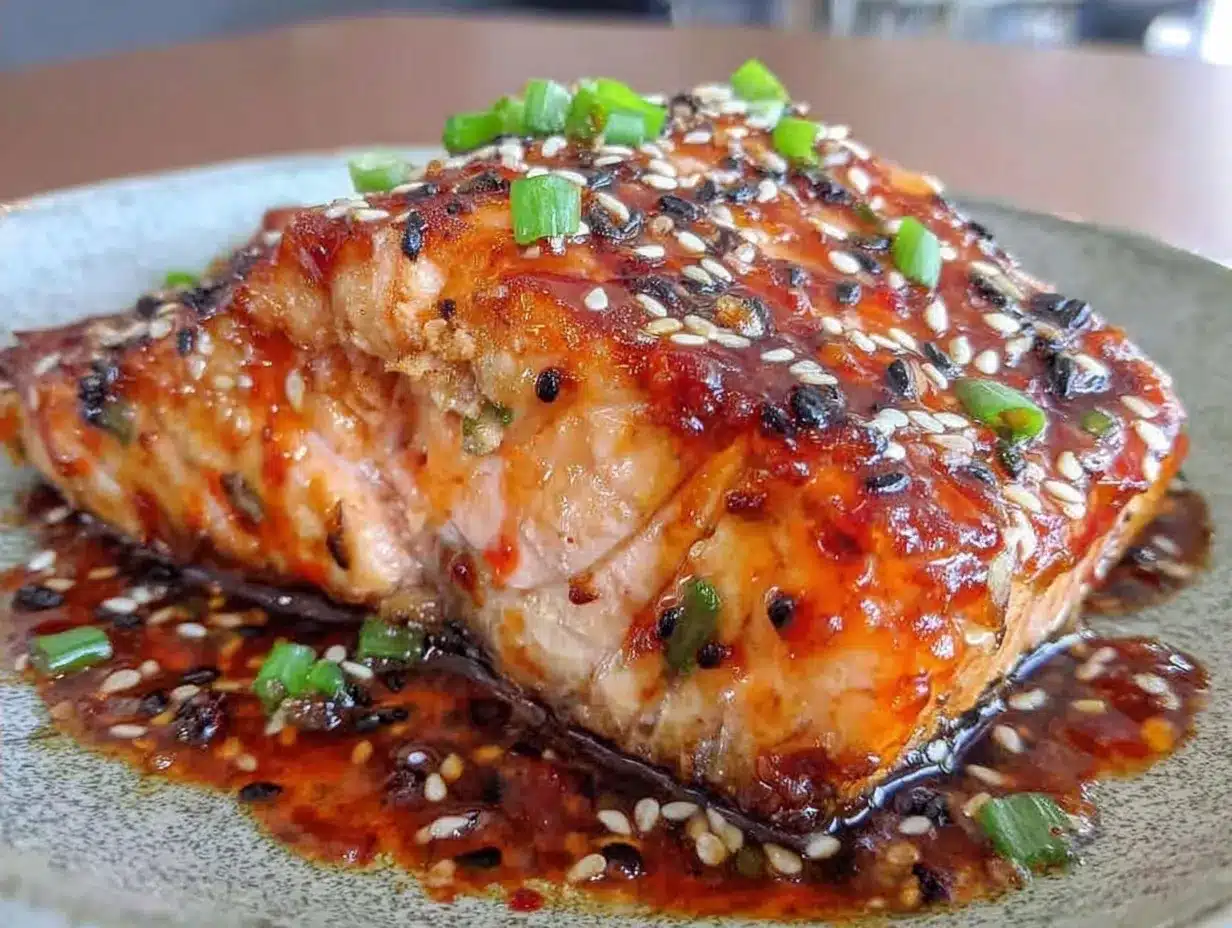
Alright, let’s make this! It’s simple, but there are a few tricks to get that perfect glaze without burning the garlic. I’m walking you through exactly how I do it.
Step 1: Prep the Salmon (2 minutes)
Pat the salmon fillets dry with paper towels. This is crucial. Wet fish steams; dry fish sears. If the fillets are very thick, you can score the skin lightly with a knife, but it’s not necessary. Season lightly with salt and pepper on both sides. Set aside.
Step 2: Make the Glaze (1 minute)
In a small bowl, whisk together the gochujang, honey, soy sauce, minced garlic, grated ginger, and sesame oil. It should look like a thick, reddish-brown paste. If it’s too thick to spread, add a teaspoon of water. Taste it—it should be spicy, sweet, and savory. Adjust if needed.
Step 3: Sear the Salmon (5-6 minutes)
Heat the vegetable oil in your large skillet over medium-high heat. Once the oil shimmers, place the salmon fillets in the pan, skin-side down (if they have skin). Don’t move them! Let them cook for 4-5 minutes. You want a nice golden crust. The edges will start to turn opaque.
Step 4: Flip and Glaze (3-4 minutes)
Flip the salmon gently. Now, brush a generous layer of the gochujang glaze over the top of each fillet. Reduce the heat to medium-low. Let it cook for another 3-4 minutes. The glaze will bubble and caramelize. If it starts to look too dark or dry, add a splash of water to the pan to keep it from burning.
Step 5: Check for Doneness
The salmon is done when it flakes easily with a fork and reaches an internal temperature of 145°F (63°C). If your fillets are very thick, you might need an extra minute. Don’t overcook it, or it’ll be dry. It should be moist and tender.
Step 6: Toast the Seeds and Serve
While the salmon finishes, toast the sesame seeds in a dry pan for 30 seconds until fragrant. Transfer the salmon to plates. Drizzle any extra glaze from the pan over the top. Sprinkle with toasted sesame seeds and sliced green onions. Serve immediately.
Total Time: About 15 minutes. Active Time: 10 minutes.
Expert Tips & Tricks
Here’s everything I’ve learned from making this dozens of times. These tips will save you from my mistakes.
Don’t Skip the Dry Pat — I know it’s tedious, but drying the salmon ensures a good sear. If it’s wet, the glaze won’t stick, and the fish will boil in its own juices. Paper towels are your best friend.
Watch the Heat — Gochujang has sugar (from the rice and sweeteners) and honey in the glaze. It burns fast. Once you flip the fish, drop the heat to medium-low. You want to cook it through and caramelize the sauce, not char it into blackness.
Make Extra Glaze — I usually double the glaze recipe. Half goes on the fish, half is saved for drizzling over rice or dipping veggies. It’s that good. Store leftover glaze in the fridge for up to a week.
Toast Your Sesame Seeds — Raw sesame seeds are fine, but toasted ones add a nutty depth that elevates the whole dish. It takes 30 seconds and makes a huge difference.
Pair with Cool Sides — Since this salmon is spicy, balance it with cool, bland sides. Steamed jasmine rice, cucumber salad, or even plain steamed broccoli work perfectly. I also love serving this with potato salad for a twist, though the flavors are quite different.
Variations & Substitutions
Once you’ve nailed the basic version, here’s how you can mix it up. I’ve tried all of these.
Spicier Version — Add a teaspoon of sriracha or chili flakes to the glaze if you like serious heat. Or use more gochujang.
Sweeter Version — Increase the honey to 3 tablespoons. Great for kids or if you’re sensitive to spice.
Gluten-Free — Use tamari instead of soy sauce. Gochujang is naturally gluten-free, but check the label just in case some brands add wheat.
Shrimp Substitute — This glaze is amazing on shrimp. Cook it for 2-3 minutes per side. Shrimp cooks much faster, so keep an eye on it.
Tofu Substitute — Press firm tofu, cut into cubes, and pan-fry until crispy. Brush with glaze at the end. It’s a great vegetarian option.
No Gochujang? — You can substitute with miso paste mixed with a little gochugaru (Korean chili flakes) and sugar, but the flavor won’t be identical. Sriracha + honey + soy sauce is a backup, but it lacks the fermented depth.
Serving & Storage
How to Serve: I serve this straight from the skillet, garnished with green onions. It looks rustic and inviting. Pair it with steamed rice, quinoa, or a simple green salad. I also love it over cold noodles for a summer lunch.
Leftovers: Store leftovers in an airtight container in the fridge for up to 3 days. The salmon will keep well, but the glaze might soak in and make it softer. Reheat gently in a skillet with a splash of water to keep it moist. Microwave works too, but low and slow.
Freezing: I don’t recommend freezing cooked salmon with glaze—the texture changes. If you want to prep ahead, marinate the salmon in the glaze (without cooking) and freeze it in a bag. Thaw in the fridge and cook as directed.
Meal Prep: This is great for lunchboxes. The flavors actually meld overnight. Just make sure to pack it with rice or noodles to absorb the sauce.
Nutrition Information
I’m not a nutritionist, but here’s the breakdown if you’re tracking.
Per Serving (based on 4 servings):
- Calories: 320
- Protein: 25g
- Carbs: 12g
- Fiber: 0g
- Sugar: 10g
- Fat: 18g
- Saturated Fat: 3g
- Sodium: 450mg
What’s Good: High in protein and omega-3s. Low carb. The gochujang adds antioxidants.
What to Know: Higher in sodium due to soy sauce and gochujang. Use low-sodium soy sauce to reduce. The sugar comes from honey and gochujang, so watch if you’re limiting sugar.
Final Thoughts
So that’s my go-to gochujang honey glazed salmon! I’ve probably talked your ear off at this point, but when you make a recipe this often, you have a lot to say about it.
This has saved weeknight dinners more times than I can count. It’s my answer to “what’s for dinner” when I’m tired, don’t want takeout, and still want something that tastes really good. My kids are happy, my husband’s happy, and I’m happy because I’m not stressed about cooking.
Make it yours! Try different add-ins, swap in your favorite vegetables, adjust the garlic (though more is always better in my opinion). The best recipes are the ones you adapt to your family’s tastes.
If you make this, drop a comment and let me know what you think! I love hearing how recipes turn out in your kitchen. And if something doesn’t work, tell me that too—I’m here to help troubleshoot.
Happy cooking! And I hope your kitchen smells half as good as mine does right now.
Frequently Asked Questions
Q: Can I use frozen salmon?
A: Absolutely. Just make sure it’s fully thawed. The best way is to put it in the fridge overnight. If you’re in a rush, seal it in a plastic bag and submerge it in cold water for 30 minutes. Pat it dry thoroughly before cooking to ensure a good sear.
Q: Is gochujang very spicy?
A: It’s moderately spicy, but mostly savory and sweet. It’s not like eating pure chili powder. The honey in the glaze mellows it out significantly. If you’re sensitive to heat, start with 1 tablespoon of gochujang and add more to taste.
Q: Can I bake this instead of pan-frying?
A: Yes! Preheat your oven to 400°F (200°C). Place salmon on a lined baking sheet, brush with glaze, and bake for 12-15 minutes. It’s easier cleanup, but you won’t get that crispy sear. Pan-frying is my preference for texture.
Q: Why did my glaze burn?
A: The sugar in the honey and gochujang burns easily. If your heat was too high, the outside burned before the inside cooked. Next time, reduce the heat to medium-low once you flip the fish. Add a splash of water if it looks too dark.
Q: What sides go well with this?
A: Steamed jasmine rice is classic. I also love it with stir-fried bok choy, edamame, or a simple cucumber salad. It pairs well with frozen yogurt bites for a light dessert if you want something refreshing after the spicy fish.
Q: How do I store leftovers?
A: Store in an airtight container in the fridge for up to 3 days. Reheat gently in a skillet with a splash of water or microwave at low power. The texture will soften, but it’s still delicious.
Pin This Recipe!
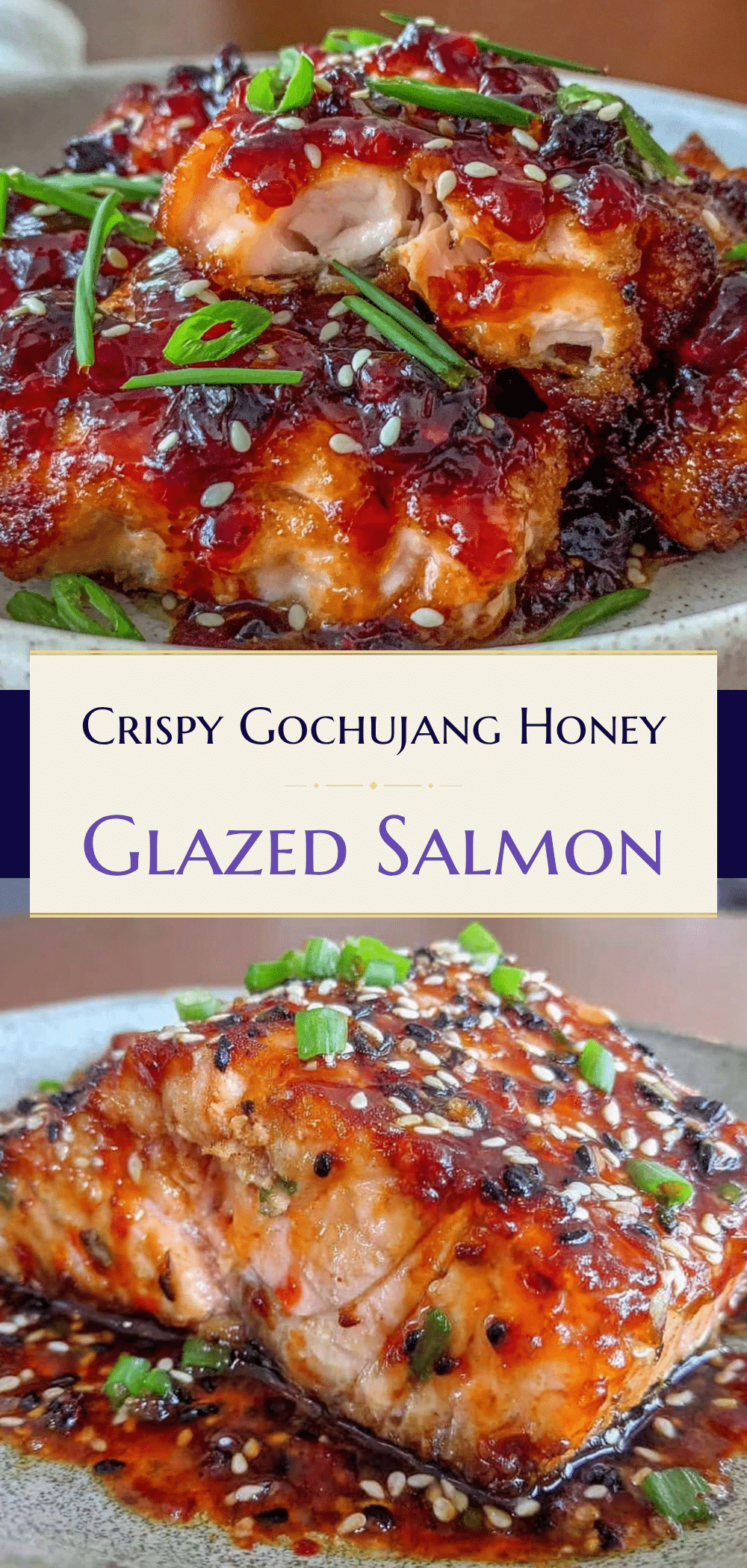

Gochujang Honey Glazed Salmon: Easy 5pm Dinner
- Total Time: 15 minutes
- Yield: 4 servings 1x
Description
A quick and flavorful weeknight dinner featuring salmon fillets coated in a sticky, spicy-sweet gochujang and honey glaze, ready in just 15 minutes.
Ingredients
- 4 salmon fillets (about 6oz each)
- 3 tablespoons gochujang (Korean chili paste)
- 2 tablespoons honey
- 1 tablespoon soy sauce (or tamari for gluten-free)
- 3 cloves fresh garlic, minced
- 1 teaspoon fresh ginger, grated
- 1 teaspoon sesame oil
- 1 tablespoon vegetable oil (for frying)
- 1 tablespoon sesame seeds, toasted
- 2 stalks green onions, sliced
- Salt and pepper to taste
Instructions
- Pat the salmon fillets dry with paper towels and season lightly with salt and pepper on both sides.
- In a small bowl, whisk together gochujang, honey, soy sauce, minced garlic, grated ginger, and sesame oil to create the glaze.
- Heat vegetable oil in a large skillet over medium-high heat.
- Place salmon fillets in the pan, skin-side down. Cook for 4-5 minutes without moving them to create a golden crust.
- Flip the salmon gently. Brush a generous layer of the glaze over the top of each fillet.
- Reduce heat to medium-low and cook for another 3-4 minutes, allowing the glaze to bubble and caramelize. Add a splash of water if the glaze looks too dark.
- Check for doneness; salmon is ready when it flakes easily with a fork and reaches an internal temperature of 145°F (63°C).
- Toast sesame seeds in a dry pan for 30 seconds until fragrant.
- Transfer salmon to plates, drizzle with extra glaze from the pan, and garnish with toasted sesame seeds and sliced green onions.
Notes
Ensure salmon is patted dry before cooking to ensure a good sear. Watch the heat closely as the sugar in the honey and gochujang can burn quickly; reduce to medium-low once flipped. You can substitute shrimp or tofu for a different protein. Serve with steamed jasmine rice or noodles.
- Prep Time: 2 minutes
- Cook Time: 10 minutes
- Category: Main Course
- Cuisine: Korean
Nutrition
- Serving Size: 1 salmon fillet
- Calories: 320
- Sugar: 10
- Sodium: 450
- Fat: 18
- Saturated Fat: 3
- Carbohydrates: 12
- Protein: 25
Keywords: gochujang salmon, honey glazed salmon, quick dinner, weeknight meals, Korean fish recipe, easy seafood, 15 minute meals