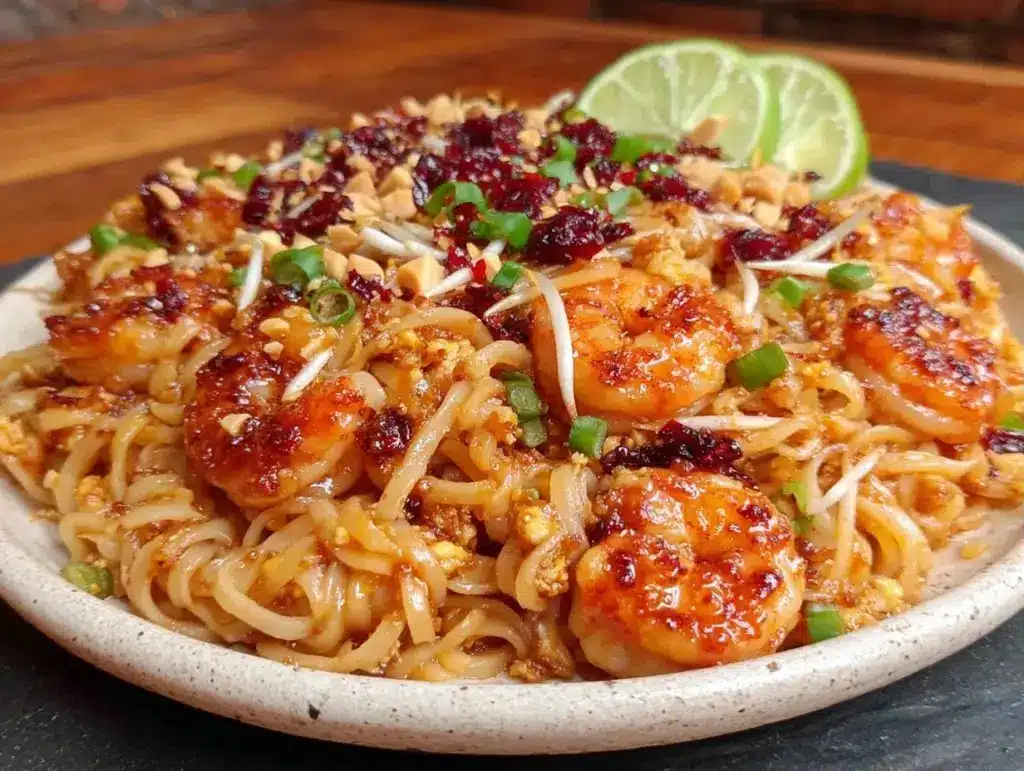
It was 5:15 PM on a Tuesday, and I was staring at the clock with the same expression I’ve worn on a hundred other evenings: mild panic mixed with resignation. The house was quiet, the kids were technically “supposed” to be doing homework (read: staring blankly at a worksheet), and my husband had just texted, “What’s for dinner?” in that tone that implies he’s already mentally ordering Thai takeout.
I didn’t have takeout money, and I definitely didn’t have an hour to chop vegetables and simmer sauces. So, I did what I always do when the fridge looks empty: I raided the pantry. And that’s how I rediscovered my obsession with this restaurant-style pad thai with tamarind sauce. It’s not just a recipe; it’s my personal “5pm dinner hack.” It takes less time than it takes to scroll through delivery apps, costs a fraction of what you’d pay at a restaurant, and tastes so authentic that my husband actually asked if I’d been sneaking out to take cooking classes.
Here’s the thing about pad thai. Most people think it’s complicated. They imagine a mountain of prep work, obscure ingredients you can’t find without a trip to three different Asian markets, and a wok that requires a degree in aerodynamics to handle. But after making this dish at least once a week for the last six months, I can tell you it’s actually stupidly simple. The secret isn’t fancy technique; it’s the sauce. Once you nail that balance of sweet, sour, salty, and spicy, you can throw in whatever protein or veggies you have lying around.
I’ve tested this version so many times that I’ve memorized the timing. I know exactly when the noodles should feel just shy of al dente. I know how long to cook the tofu so it doesn’t turn to mush. And I know the exact moment to toss in the bean sprouts so they stay crunchy. This pad thai recipe is perfect for busy weeknights because it respects your time. It’s fast, it’s forgiving, and it’s genuinely delicious. If you’re tired of the same old chicken and rice rotation, this is your sign to shake things up.
Why You’ll Love This Pad Thai
There are a few reasons this has become the backbone of our weeknight dinner plan, but let’s be real—it’s mostly because it works when everything else is falling apart. Here’s why you’re going to want to make this pad thai with tamarind sauce this week:
- It’s a True One-Pan Wonder — Seriously. I cook the noodles in one pot, make the sauce in a bowl, and stir-fry everything in one skillet. That’s it. One pot, one pan, one bowl of dishes. If you hate cleanup, this is your new best friend. I’ve made crispy baked mac and cheese bites for similar low-effort comfort, but this takes half the time.
- The Sauce is Ready in 2 Minutes — You don’t need to simmer anything. You just whisk tamarind paste, fish sauce, sugar, and chili flakes together. It’s instant flavor. I’ve tried using pre-made jarred sauces, but they’re usually too sweet and lack that deep, funky complexity. This homemade version takes less time than reading the label on a bottle.
- Pantry Staples Only — You probably have 80% of these ingredients already. Rice noodles, eggs, peanuts, lime, green onions. The only thing you might need to grab is the tamarind paste, and honestly, it’s worth keeping in your cupboard because it lasts forever. It’s cheaper than delivery and way healthier.
- Customizable for Picky Eaters — My kids aren’t huge fans of “weird” textures, so I keep the tofu out for them and add extra shrimp. My husband loves it spicy, so he gets extra chili flakes. Because the sauce is separate from the stir-fry, everyone gets their perfect version in the same bowl. It’s a family dinner win.
- Ready in Under 20 Minutes — From the moment you pull the noodles out of the package to the moment you’re sitting down, it’s 20 minutes max. I’ve timed it. I’ve done it while answering work emails. It just works.
This isn’t just a recipe; it’s a relief. It’s the answer to that dreaded 5pm question when you have zero energy. No stress, no mess, just good food.
Ingredients You’ll Need
Before we get to the cooking, let’s talk about what’s going into the pan. I’m going to break this down so you know exactly why each ingredient matters. Don’t skip the notes on the tamarind—it’s the star of the show.
For the Pad Thai Noodles
Rice noodles (8 ounces / 225g) — You want flat rice noodles, about 1/4 inch wide (often labeled as #8 or #9 rice noodles). Do not use vermicelli (thin spaghetti-like noodles); they get too soggy. Do not use wide rice sheets; they’re for pho. Look for “flat” or “medium” width. If you can’t find them, any flat rice noodle works.
Cold water (for soaking) — We’re soaking the noodles, not boiling them. This is the secret to getting that perfect chewy texture without overcooking. Fill a large bowl with cold water and submerge the noodles for 30-45 minutes. They should be pliable but still have a bit of bite.
For the Tamarind Sauce
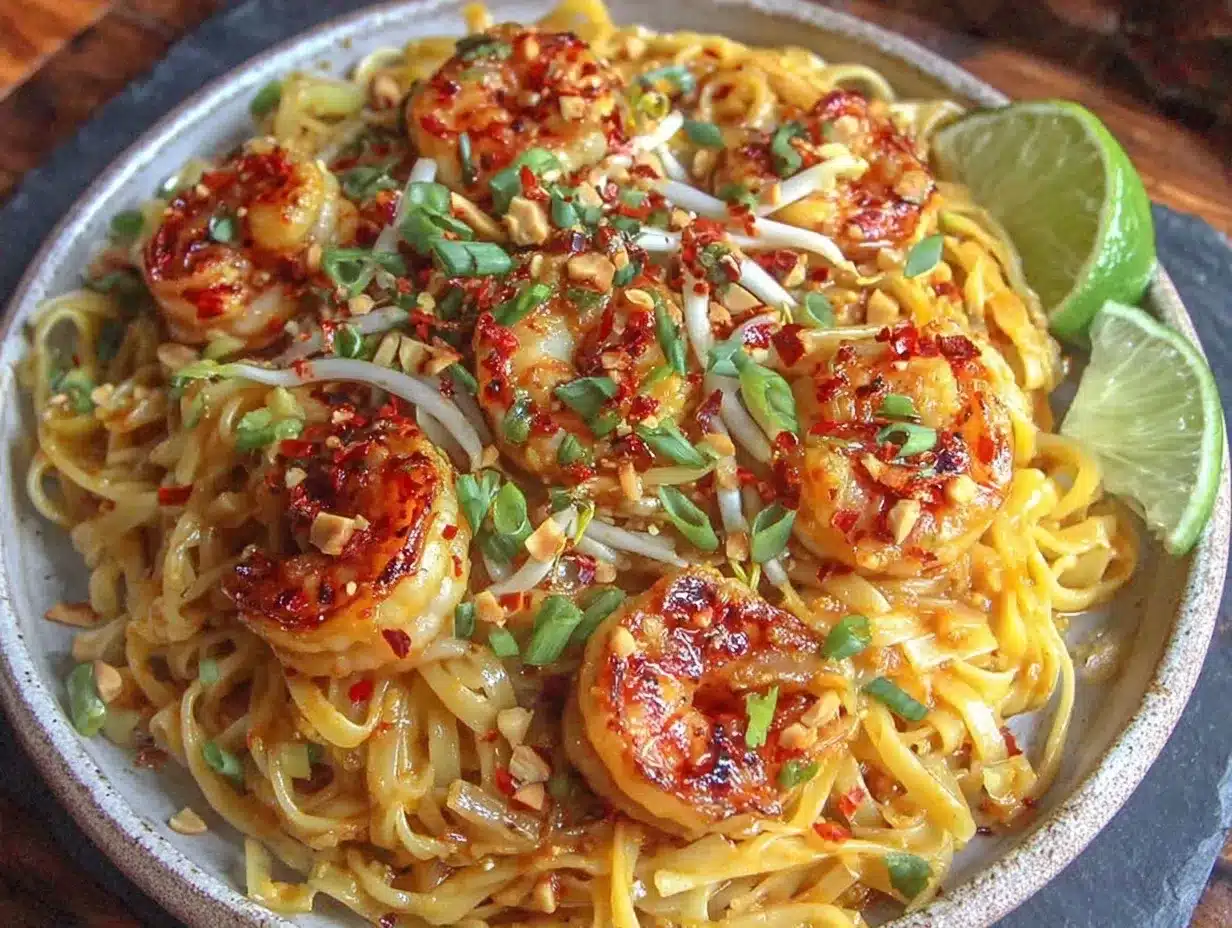
Tamarind paste (2 tablespoons) — This is non-negotiable for authentic flavor. It’s sour, tangy, and deeply savory. Buy the block form or the concentrate, not the cocktail mix. If you can’t find tamarind, you can substitute with lime juice and a touch of vinegar, but the flavor profile will be different. I keep a jar of this in my pantry specifically for nights like this.
Fish sauce (2 tablespoons) — Yes, it smells strong. No, it won’t make the dish taste fishy. It adds saltiness and umami depth. If you’re avoiding seafood, you can use soy sauce or a vegan “fish” sauce, but traditional pad thai relies on this. I use Red Boat brand because it’s pure and clean.
Palm sugar or brown sugar (2 tablespoons) — Palm sugar has a caramel-like, molasses flavor that white sugar lacks. If you don’t have palm sugar, dark brown sugar is the best substitute. It helps balance the sourness of the tamarind.
White vinegar (1 tablespoon) — Adds extra brightness. Rice vinegar works too, but white vinegar is more traditional.
Chili flakes (1 teaspoon) — Adjust to heat preference. I like it with a kick, so I use a full teaspoon. If you’re sensitive to spice, start with 1/2 teaspoon.
For the Stir-Fry
Vegetable oil (2 tablespoons) — Any neutral oil works. Canola, grapeseed, or light olive oil.
Protein (1 cup total) — I usually use a mix: 1/2 cup diced firm tofu (pressed and cubed) and 1/2 cup peeled, deveined shrimp. You can use chicken, pork, or just veggies. I’ve made this with just tofu, and it’s great. But the shrimp adds a nice sweetness.
Garlic (2 cloves, minced) — Fresh garlic is key. No jarred stuff here.
Eggs (2 large) — Beaten. They add richness and protein. I scramble them directly in the pan with the noodles.
Bean sprouts (1 cup) — For crunch. Fresh is best. If you can’t find fresh, bagged sprouts work, but rinse them well.
Green onions (2 stalks, chopped) — For color and mild onion flavor. Separate the whites (cook first) and greens (add at the end).
Crushed peanuts (1/4 cup) — For topping. Unsalted roasted peanuts are best. Crush them roughly with a mortar and pestle or in a bag with a rolling pin.
Lime wedges — For serving. Essential for squeezing over the top at the table.
Optional Add-Ins
Carrots — Julienned into thin strips. Adds color and sweetness.
Red bell pepper — Thinly sliced. Adds a nice crunch.
Edamame — For extra protein and a pop of green.
Equipment Needed
You don’t need a fancy wok, but you do need the right tools to keep things moving fast.
Large Skillet or Wok — I use a 12-inch non-stick skillet. It’s easier to control heat and clean than a carbon steel wok, especially if you’re a beginner. A wok is traditional, but a big skillet works perfectly fine. You need enough surface area to toss the noodles without them steaming.
Large Bowl — For soaking the noodles. Make sure it’s big enough to submerge the noodles completely.
Mixing Bowl — Small bowl for whisking the sauce. Having the sauce ready before you start cooking is crucial because the stir-fry moves fast.
Tongs or Spatula — I prefer tongs for tossing the noodles. They give you better control. A spatula works if you’re gentle.
Knife and Cutting Board — For prepping the veggies and herbs. Keep it sharp so you don’t crush the bean sprouts.
Measuring Spoons — For the sauce. Precision matters here because the balance of sweet/sour/salty is delicate.
How to Make It: Step-by-Step
Alright, let’s get cooking. I’m walking you through exactly how I do it, including the little tricks I’ve picked up over years of making this.
Step 1: Soak the Noodles (30-45 minutes before cooking)
Start by soaking your rice noodles in a large bowl of cold water. This is the most important step. You want them to soften up so they cook quickly in the pan, but you don’t want them to get mushy. They’re done when they’re flexible but still have a little resistance. If you boil them, they’ll turn to glue. Trust me. Drain them when you’re ready to cook and set aside.
Step 2: Whisk the Sauce
While the noodles soak, make the sauce. In a small bowl, whisk together the tamarind paste, fish sauce, palm sugar (or brown sugar), vinegar, and chili flakes. Stir until the sugar is dissolved. Taste it. It should be a bold mix of sour, sweet, and salty. If it’s too sour, add a little more sugar. If it’s too sweet, add a splash of vinegar. This sauce is the soul of the dish.
Step 3: Prep Your Protein and Veggies
If you’re using tofu, press it first to remove excess water, then cut it into small cubes. If you’re using shrimp, peel and devein them. Mince the garlic, chop the green onions, and julienne any carrots or peppers. Have everything ready in small bowls near the stove. This is a fast-cooking dish, so you won’t have time to chop while the pan is hot.
Step 4: Stir-Fry the Protein
Heat 1 tablespoon of oil in your large skillet or wok over medium-high heat. Add the tofu and shrimp (or chicken). Cook for 2-3 minutes until the shrimp are pink and the tofu is golden. Remove the protein from the pan and set aside on a plate. Don’t crowd the pan—if you cook everything at once, it’ll steam instead of fry.
Step 5: Cook the Aromatics and Eggs
Add the remaining tablespoon of oil to the same pan. Add the minced garlic and the white parts of the green onions. Stir-fry for 30 seconds until fragrant. Push the aromatics to the side and pour in the beaten eggs. Scramble them quickly, breaking them into small curds. Once the eggs are mostly set, mix them with the garlic.
Step 6: Toss in the Noodles and Sauce
Add the soaked and drained noodles to the pan. Pour the sauce over the noodles. Using tongs, toss everything together. The noodles will absorb the sauce quickly. If it looks dry, add a splash of water. Cook for 2-3 minutes, tossing constantly, until the noodles are heated through and coated in sauce. They should be glossy and slightly sticky.
Step 7: Combine and Finish
Add the cooked protein back into the pan. Toss with the bean sprouts and the green onion greens. Cook for another minute just to wilt the sprouts slightly—they should still be crunchy. Remove from heat. Taste and adjust seasoning if needed. Add more fish sauce for saltiness or more sugar for sweetness.
Step 8: Serve
Serve immediately on plates or in bowls. Top with crushed peanuts, extra chili flakes, and lime wedges. Squeeze the lime over the top right before eating. That burst of citrus is what makes it pop.
Total Time: About 20 minutes (plus 30-45 minutes soaking time)
Expert Tips & Tricks
Here’s everything I’ve learned from making this dozens of times. These tips will save you from my mistakes.
Don’t Overcook the Noodles — Since you’re soaking them in cold water, they only need 2-3 minutes in the pan. If you cook them too long, they’ll break apart and become mushy. They should be tender but have a slight chew.
High Heat is Your Friend — You want a good sear on the protein and a quick cook for the noodles. Keep the heat at medium-high. If the pan is too cool, the noodles will stick and the dish will feel soggy.
Press Your Tofu — If you use tofu, pressing it removes water so it fries up crispy instead of steaming. If you’re in a rush, you can skip it, but the texture won’t be as good. I usually press it while I soak the noodles.
Use Fresh Bean Sprouts — Bagged sprouts can be slimy. Fresh ones are crisp and clean. If you must use bagged, rinse them thoroughly in cold water and pat them dry.
Balance is Key — Pad thai is all about balance. Taste the sauce before you add it. It should be stronger than you think it needs to be. The noodles will dilute it slightly. Don’t be afraid of the tamarind—it’s the flavor.
Variations & Substitutions
Once you’ve nailed the basic version, here’s how you can mix it up. I’ve tried all of these.
Vegetarian Pad Thai — Skip the shrimp and use extra tofu or edamame. Use soy sauce instead of fish sauce. The sauce will be slightly different but still delicious.
Chicken Pad Thai — Use diced chicken breast or thigh. Marinate it in a little soy sauce and cornstarch for 10 minutes before cooking to keep it tender.
Seafood Lover’s — Add clams or mussels in the last 2 minutes of cooking. They’ll open up and add a briny flavor.
Spicy Pad Thai — Add a diced fresh chili pepper (like jalapeño or bird’s eye chili) with the garlic. Or use chili garlic sauce instead of flakes.
Vegan Pad Thai — Use tofu, vegetable broth instead of fish sauce (or vegan fish sauce), and palm sugar. Top with peanuts and lime.
Serving & Storage
How to Serve: I usually serve this straight from the skillet. It looks rustic and stays warm. Top with extra peanuts, chili flakes, and lime wedges. I also like to serve it with a side of loaded bacon ranch potato salad if I’m hosting a casual dinner, though it’s not traditional. It’s a fun fusion twist.
Storage: Store leftovers in an airtight container in the fridge for up to 3 days. The noodles will absorb the sauce and get softer, which some people like. Reheat in a skillet with a splash of water to loosen them up.
Reheating: Don’t microwave it if you can help it. The microwave makes the noodles rubbery. Reheat in a pan over medium heat with a little oil or water. Stir frequently until hot.
Freezing: I don’t recommend freezing pad thai. The texture of the noodles and bean sprouts changes too much. It’s best made fresh.
Nutrition Information
I’m not a nutritionist, but here’s the breakdown if you’re tracking. This is per serving (based on 4 servings).
- Calories: 450
- Protein: 18g
- Carbs: 65g
- Fiber: 3g
- Sugar: 12g
- Fat: 14g
- Sodium: 800mg (varies by fish sauce brand)
Look, this is a carb-heavy dish. It’s not a diet food. But it’s balanced with protein and veggies, and it’s way better than takeout. When I want to make it lighter, I use more veggies and less noodles. But usually? I just eat a reasonable portion and enjoy it.
Final Thoughts
So that’s my go-to restaurant-style pad thai with tamarind sauce! I’ve probably talked your ear off at this point, but when you make a recipe this often, you have a lot to say about it. This has saved weeknight dinners more times than I can count. It’s my answer to “what’s for dinner” when I’m tired, don’t want takeout, and still want something that tastes really good. My kids are happy, my husband’s happy, and I’m happy because I’m not stressed about cooking.
Make it yours! Try different add-ins, swap in your favorite vegetables, adjust the spice level. The best recipes are the ones you adapt to your family’s tastes. If you make this, drop a comment and let me know what you think! I love hearing how recipes turn out in your kitchen. And if something doesn’t work, tell me that too—I’m here to help troubleshoot.
Happy cooking! And I hope your kitchen smells half as good as mine does right now.
Frequently Asked Questions
Can I use dry rice noodles without soaking?
You can, but it’s risky. If you boil dry noodles, they often get mushy before they’re cooked through. Soaking in cold water is the safest way to get that perfect texture. If you’re in a huge rush, you can boil them for 2-3 minutes, but drain them immediately and rinse with cold water to stop the cooking. Then proceed with the recipe.
What if I can’t find tamarind paste?
You can substitute with lime juice and vinegar. Use 2 tablespoons of lime juice and 1 tablespoon of white vinegar, plus a little extra sugar to balance the acidity. It won’t be exactly the same, but it will be close. Some people also use ketchup and vinegar (a hack from some Thai street vendors), but I prefer the lime/vinegar mix.
Can I make this ahead for a dinner party?
Sort of. You can prep the noodles (soak them) and make the sauce ahead of time. Store them in the fridge. But cook the noodles and stir-fry everything fresh right before serving. Noodles get sticky and clumpy if they sit in sauce for too long. I prep everything the night before so I just have to cook on the night of.
Why did my noodles stick to the pan?
Either the pan wasn’t hot enough, or the noodles weren’t drained well enough. Make sure your skillet is hot before adding oil, and drain the soaked noodles thoroughly. A non-stick skillet helps a lot. If they stick, don’t panic—just add a splash of water and keep tossing. They’ll usually release.
Can I use vermicelli noodles instead?
You can, but the texture will be different. Vermicelli is thin and spaghetti-like. It cooks faster and doesn’t have the same chewy bite as flat rice noodles. If you use vermicelli, soak it for only 10-15 minutes and cook it in the pan for just 1-2 minutes. It’s still delicious, just not traditional.
How spicy is this recipe?
It’s medium. The chili flakes add a gentle heat. If you like it spicy, add more flakes or a diced fresh chili. If you’re sensitive to spice, start with 1/2 teaspoon or omit it entirely. You can always add heat at the table with sriracha or chili oil.
Pin This Recipe!
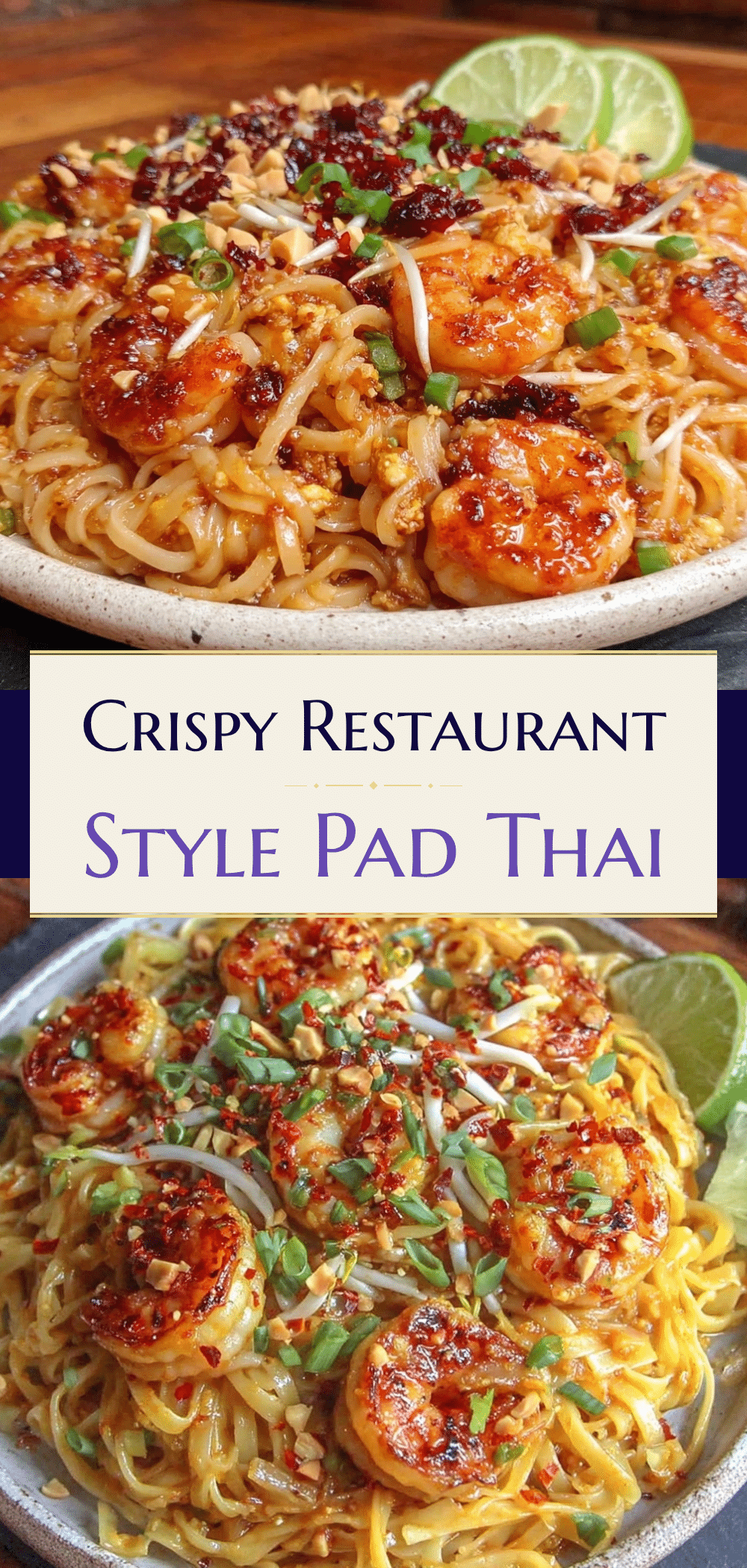
Restaurant-Style Pad Thai: Easy 5pm Dinner Hack
- Total Time: 35 minutes
- Yield: 4 servings 1x
Description
A quick and authentic restaurant-style Pad Thai with tamarind sauce that comes together in under 20 minutes using pantry staples. Perfect for busy weeknights, this one-pan wonder balances sweet, sour, salty, and spicy flavors.
Ingredients
- 8 ounces (225g) flat rice noodles (#8 or #9)
- Cold water (for soaking noodles)
- 2 tablespoons tamarind paste
- 2 tablespoons fish sauce
- 2 tablespoons palm sugar or brown sugar
- 1 tablespoon white vinegar
- 1 teaspoon chili flakes
- 2 tablespoons vegetable oil
- 1 cup protein (1/2 cup diced firm tofu and 1/2 cup peeled, deveined shrimp)
- 2 cloves garlic, minced
- 2 large eggs, beaten
- 1 cup fresh bean sprouts
- 2 stalks green onions, chopped (whites and greens separated)
- 1/4 cup crushed peanuts
- Lime wedges, for serving
Instructions
- Soak rice noodles in a large bowl of cold water for 30-45 minutes until pliable but still chewy. Drain and set aside.
- In a small bowl, whisk together tamarind paste, fish sauce, palm sugar, vinegar, and chili flakes until sugar is dissolved. Taste and adjust seasoning if needed.
- Press and cube tofu if using. Peel and devein shrimp. Mince garlic and chop green onions. Have all ingredients prepped and ready near the stove.
- Heat 1 tablespoon of oil in a large skillet or wok over medium-high heat. Add tofu and shrimp, cooking for 2-3 minutes until shrimp are pink and tofu is golden. Remove protein and set aside.
- Add remaining 1 tablespoon of oil to the pan. Add minced garlic and white parts of green onions, stir-frying for 30 seconds until fragrant.
- Push aromatics to the side and pour in beaten eggs. Scramble quickly into small curds, then mix with garlic.
- Add soaked noodles to the pan and pour sauce over them. Toss with tongs for 2-3 minutes until noodles are heated through, glossy, and coated in sauce. Add a splash of water if dry.
- Return cooked protein to the pan. Toss with bean sprouts and green onion greens. Cook for 1 minute until sprouts are slightly wilted but still crunchy.
- Remove from heat. Taste and adjust seasoning. Serve immediately topped with crushed peanuts, extra chili flakes, and lime wedges.
Notes
Do not boil the rice noodles; soaking in cold water prevents them from becoming mushy. Press tofu for better texture. Use fresh bean sprouts for crunch. The sauce should taste bold and balanced before adding to noodles. Do not freeze leftovers as noodle texture suffers.
- Prep Time: 15 minutes
- Cook Time: 20 minutes
- Category: Main Course
- Cuisine: Thai
Nutrition
- Serving Size: 1 plate
- Calories: 450
- Sugar: 12
- Sodium: 800
- Fat: 14
- Saturated Fat: 2
- Carbohydrates: 65
- Fiber: 3
- Protein: 18
Keywords: Pad Thai, Thai food, quick dinner, weeknight meals, tamarind sauce, one-pan recipe, easy dinner, restaurant style