It was 5:15 PM on a Tuesday, and I was staring into the abyss of my refrigerator. The light flickered slightly, just like my will to live after a ten-hour workday. Inside, there was a sad-looking bunch of Chinese broccoli, half a pound of rice noodles, and a chicken breast that had been waiting for this exact moment to be saved from the freezer. I had two choices: order from the local Thai place (again) or attempt to make dinner from scratch. The takeout bill would probably be $25, plus tip, plus the guilt of eating out while surrounded by dirty dishes.
But then I remembered that bag of wide rice noodles I’d bought on a whim three weeks ago. And I remembered that bottle of oyster sauce gathering dust in the back of the pantry. So, I threw on some sneakers, grabbed my biggest skillet, and decided to make Traditional Thai Pad See Ew right then and there.
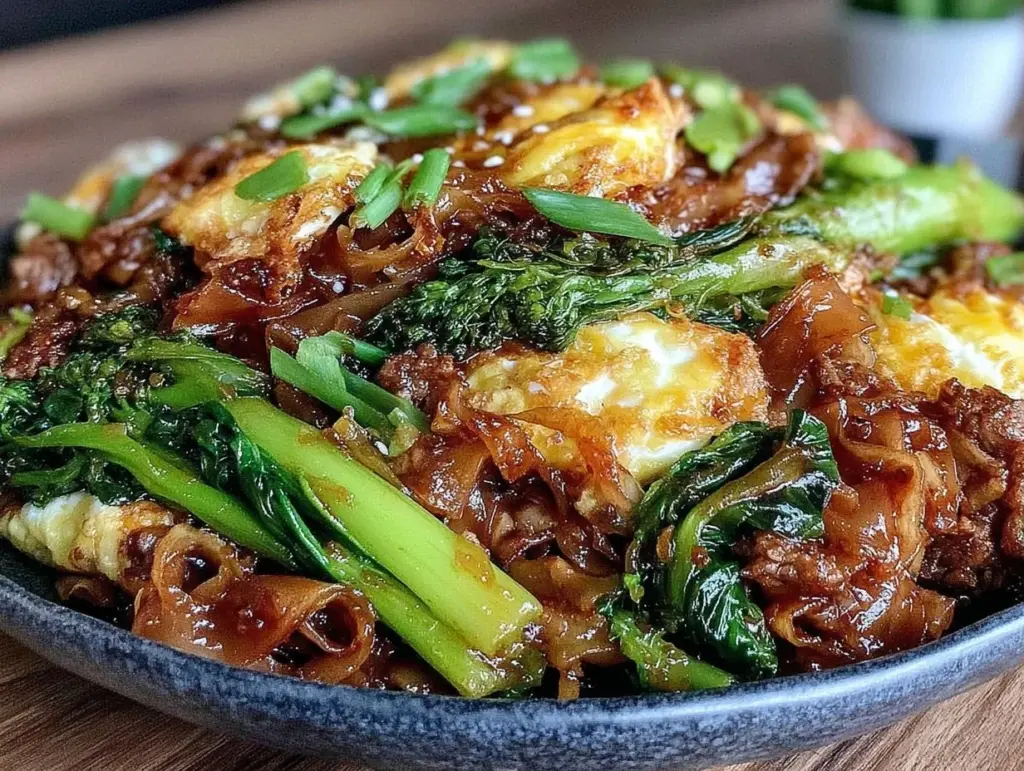
Here’s the thing about stir-fry: it’s supposed to be fast. But most stir-fry recipes online require chopping five different vegetables, marinating meat for an hour, and prepping ingredients in a way that makes you want to just order Uber Eats instead. Not this one. This is the kind of recipe that feels like a cheat code. It’s sweet, salty, smoky, and completely addictive. And the best part? It’s ready in 15 minutes flat. One pan. Minimal cleanup. And honestly? It tastes better than anything I’ve ever gotten in a takeout container.
I’ve made this Traditional Thai Pad See Ew at least a dozen times in the last month alone. Sometimes with chicken, sometimes with shrimp, and occasionally just loaded with veggies when I’m trying to be “healthy” (which is a stretch, but we’ll call it a win). Every single time, my kids ask for seconds. Every single time, my husband pretends to be surprised that dinner is ready so soon. It’s become my go-to answer for those chaotic weeknight moments when “5pm and nothing planned” feels like a panic attack waiting to happen.
Why You’ll Love This One-Pan Pad See Ew
Let’s be real for a second. We all have that one night where we just want to eat, but we don’t want to spend an hour cooking. This recipe is your best friend in those moments. Here’s why it keeps showing up on our dinner table:
Stupid Fast — Seriously. If you can chop a vegetable and boil water, you can make this. From the moment I turn on the stove to the moment I’m eating, it’s 15 minutes. Maybe 18 if I’m being lazy with the chopping. I make this on nights when I get home exhausted and just want to collapse on the couch.
One Pan, Zero Stress — This is the biggest selling point for me. I hate washing dishes. This recipe requires one large skillet or wok, one bowl for the sauce, and maybe a colander for the noodles. That’s it. No extra pots, no extra bowls, no complicated equipment. Just toss everything in one big pan and let it do its thing.
Better Than Takeout — I’ve compared this side-by-side with my favorite Thai restaurant in town. The homemade version wins every time. Why? Because you control the flavor. You can make it sweeter, saltier, or spicier. And you get that beautiful “wok hei” (breath of the wok) char that takeout just can’t replicate in a plastic bag.
Pantry Staples — You probably have 80% of these ingredients already. Rice noodles, eggs, soy sauce, oyster sauce, garlic, and a green vegetable. If you have those, you’re good to go. No special trips to the Asian market required.
Makes Amazing Leftovers — Okay, I’m not going to lie. This stuff is so good you might not have leftovers. But if you do, it reheats beautifully in the microwave. The noodles absorb all that delicious sauce and get even more flavorful the next day. I deliberately make extra for my lunch the next day, and it’s better than any sandwich I could pack.
Ingredients You’ll Need
Here’s the best part: this ingredient list is short, sweet, and mostly things you already have. I’m particular about a few things here, but don’t worry—I’ll tell you why.
Rice Noodles (Wide) (8 ounces / 225g) — Look for the package that says “wide” or “extra wide.” These are the flat, white noodles you see in pad see ew. They’re different from the thin vermicelli noodles. I use Kham Thai brand because they don’t get mushy if you soak them right. You can find these in the international aisle of most grocery stores or at an Asian market.
Chinese Broccoli (Gai Lan) (2 cups, chopped / about 200g) — This is the traditional green for pad see ew. It has thick, slightly bitter stems and tender leaves. If you can’t find it, regular broccoli rabe or even chopped regular broccoli works. Just avoid leafy greens like spinach—they’ll wilt too much and get slimy.
Chicken Breast (1 large, sliced thin / about 300g) — I use chicken because it’s what we usually have. But this works with pork, shrimp, or tofu too. Slice it thin so it cooks fast. If you’re using frozen chicken, make sure it’s fully thawed.
Eggs (2 large) — Scrambled right into the stir-fry. This adds protein and makes the dish feel more complete. I crack them directly into the pan and push the noodles aside to cook them.
Soy Sauce (2 tablespoons) — I use low-sodium soy sauce because I add other salty ingredients too. Regular soy sauce works, just reduce the amount of other salt you add.
Oyster Sauce (2 tablespoons) — This is the secret weapon. It adds that deep, savory, slightly sweet flavor that defines pad see ew. If you’re vegetarian, use mushroom sauce instead. But oyster sauce is non-negotiable for the traditional taste.
Dark Soy Sauce (1 tablespoon) — This is what gives the noodles that beautiful dark brown color. It’s thicker and less salty than regular soy sauce. If you can’t find it, you can skip it, but the dish will look paler. I keep a bottle just for this.
Tamarind Paste (1 tablespoon) — This adds a subtle tang that balances the sweetness. It’s authentic, but if you don’t have it, a splash of rice vinegar works. I learned this trick from a Thai chef I worked with years ago.
Sugar (1 tablespoon) — White sugar or palm sugar. This balances the saltiness. Don’t skip it. The sauce should be sweet and salty.
Garlic (4 cloves, minced) — Fresh garlic only. No jarred stuff here. Four cloves might sound like a lot, but it’s perfect for this dish.
Vegetable Oil (2 tablespoons) — For frying. I use canola or vegetable oil. Olive oil has too strong a flavor for this.
White Pepper (½ teaspoon) — This gives that subtle kick that you taste in Chinese takeout. It’s different from black pepper. If you don’t have it, black pepper is fine, but white pepper is more authentic.
Equipment Needed
You don’t need fancy equipment for this. Here’s what I actually use.
Large Wok or Skillet — I use a 12-inch stainless steel skillet. A wok is traditional, but a big skillet works just as well. The key is having enough surface area so the noodles don’t steam instead of fry. If your pan is too small, cook in batches.
Colander — For soaking and draining the noodles. Or just use a large bowl and a strainer.
Sharp Knife — For slicing the chicken and chopping the broccoli. A dull knife makes you cry more—learned this the hard way with onions.
Wooden Spoon or Spatula — For stirring. Silicone works too. Don’t use metal on non-stick.
Measuring Spoons — For the sauce. You can eyeball it, but measuring ensures the balance is right.
How to Make It: Step-by-Step
Alright, let’s make this! I’m walking you through exactly how I do it, including the little tricks I’ve picked up.
Step 1: Soak the Noodles (5-10 minutes)
Before you start cooking, soak the rice noodles in warm water. I know it seems like an extra step, but it’s crucial. Dry noodles take forever to cook and can get mushy. Soaking them for 10-15 minutes in warm water softens them up. Drain them well and set aside. Don’t skip this step—I’ve tried it, and the noodles turn out gummy and sad.
Step 2: Make the Sauce
In a small bowl, whisk together the soy sauce, oyster sauce, dark soy sauce, tamarind paste, sugar, and white pepper. Stir until the sugar is dissolved. Set aside. Having the sauce ready before you start cooking is key because stir-frying moves fast. You don’t want to be mixing ingredients while your garlic burns.
Step 3: Cook the Chicken
Heat 1 tablespoon of oil in your large skillet or wok over high heat. Add the sliced chicken. Cook for 2-3 minutes until browned and cooked through. Remove the chicken from the pan and set aside on a plate. Don’t overcrowd the pan—if you’re cooking a lot of chicken, do it in two batches. We want sear, not steam.
Step 4: Scramble the Eggs
Add another tablespoon of oil to the same pan. Crack the eggs directly into the pan and scramble them quickly with your spatula. Break them into small, bite-sized pieces. Once they’re cooked, push them to the side of the pan or remove them to the plate with the chicken. I usually push them to the side and cook the veggies next.
Step 5: Sauté the Aromatics and Veggies
Add the minced garlic to the pan and stir for 30 seconds until fragrant. Then add the Chinese broccoli (stems first, then leaves). Stir-fry for 1-2 minutes until the broccoli is bright green and tender-crisp. The stems should be cooked but still have a bit of crunch.
Step 6: Combine and Sauce
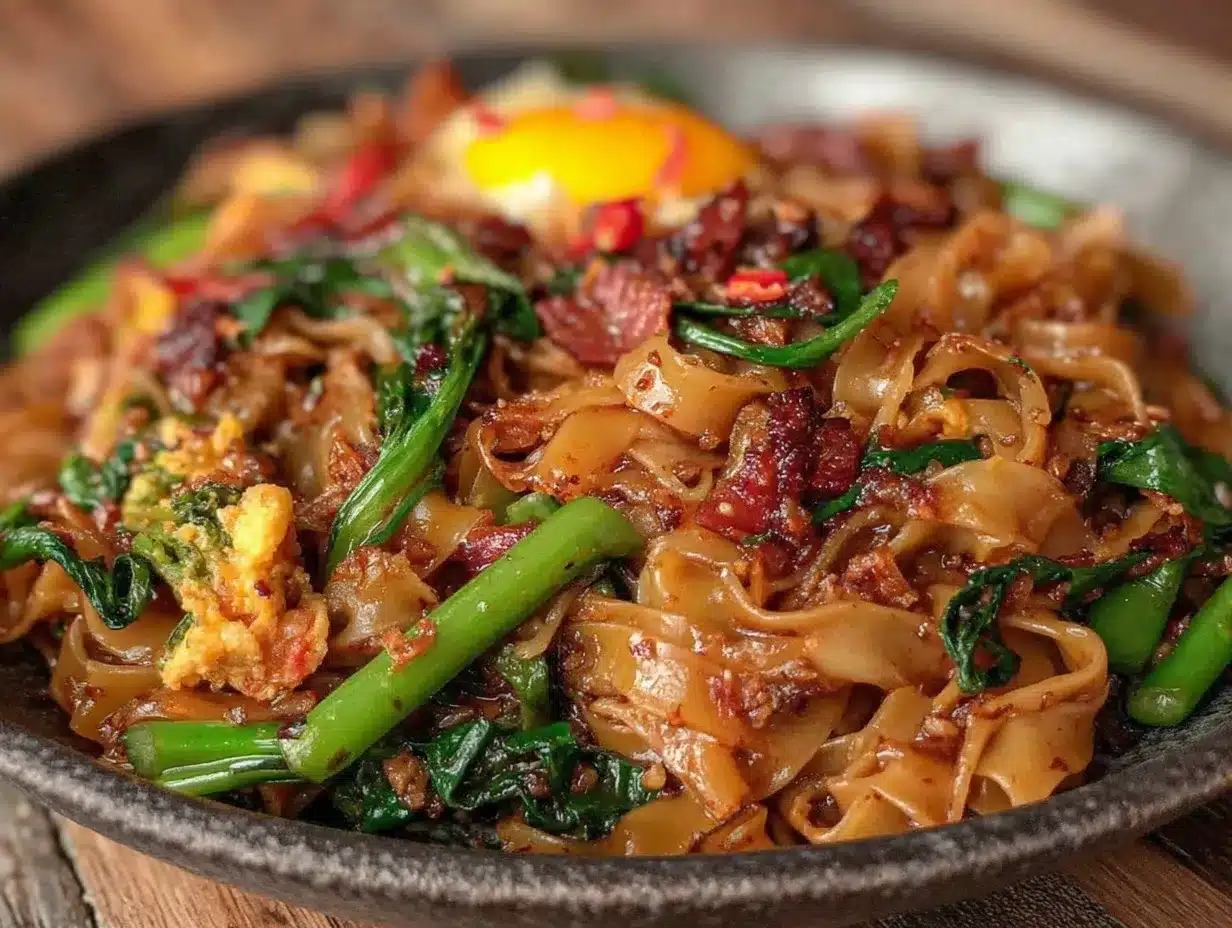
Add the soaked noodles to the pan. Pour the sauce over the noodles. Toss everything together gently. The noodles will absorb the sauce and turn that beautiful dark brown color. Add the chicken and eggs back in. Toss everything together for 1-2 minutes until everything is heated through and coated in sauce.
Step 7: Serve
Remove from heat. Serve immediately. I like to top it with a sprinkle of white pepper and a squeeze of lime if I’m feeling fancy. But honestly, it’s perfect as is.
Total Time: About 15 minutes (5 minutes prep, 10 minutes cooking)
Expert Tips & Tricks
Here’s everything I’ve learned from making this dozens of times. These tips will save you from my mistakes.
Don’t Overcook the Noodles — Soaked noodles cook very quickly. If you boil them too long, they turn to mush. Soaking in warm water is the best method. If you must boil them, boil for 2-3 minutes only, then rinse with cold water to stop the cooking.
High Heat is Key — Stir-frying requires high heat. If your pan isn’t hot enough, the noodles will stick and steam. Get that pan smoking hot before you add the oil.
Use Dark Soy Sauce for Color — If you skip the dark soy sauce, your dish will look pale and unappetizing. It doesn’t add much flavor, but it adds that iconic look. If you don’t have it, a little brown sugar can help, but it’s not the same.
Pat Dry the Noodles — After soaking, drain the noodles well and pat them dry with a paper towel. Excess water will make your sauce watery and dilute the flavor.
Prep Everything First — This is a 15-minute recipe because you’re not prepping while cooking. Have your chicken sliced, veggies chopped, and sauce mixed before you turn on the stove. It’s called “mise en place,” and it’s your best friend.
Variations & Substitutions
Once you’ve nailed the basic version, here’s how you can mix it up. I’ve tried all of these.
Shrimp Pad See Ew — Swap chicken for shrimp. Shrimp cooks faster, so add it in the last 2 minutes. It adds a nice sweetness to the dish.
Pork Pad See Ew — Use thin-sliced pork belly or pork shoulder. Pork adds a richer flavor. Sear it well for the best texture.
Vegetarian Pad See Ew — Skip the meat and oyster sauce. Use mushroom sauce instead of oyster sauce. Add extra veggies like bell peppers, carrots, or bean sprouts. It’s just as satisfying.
Tofu Pad See Ew — Use firm tofu, pressed and cubed. Fry the tofu first until crispy, then set aside. Add it back at the end. It absorbs the sauce beautifully.
Broccoli Substitution — If you can’t find Chinese broccoli, use regular broccoli florets. Chop them small so they cook evenly. You can also use bok choy, but chop the stems thin.
Serving & Storage
How to Serve: I usually serve this straight from the skillet. It looks rustic and stays warm. But here are other ways I’ve enjoyed it:
- Simple Green Salad: A light salad with rice vinegar dressing cuts through the richness.
- Hot Sauce: Sriracha or chili crisp on the side for extra heat.
- Lime Wedges: A squeeze of lime brightens up the dish.
Storage: Store leftovers in an airtight container in the fridge for up to 3 days. The noodles will absorb more sauce, so they might get softer. That’s normal.
Reheating: Reheat in the microwave with a splash of water or soy sauce to loosen the noodles. Or reheat in a skillet with a little oil over medium heat. Don’t microwave without liquid—it’ll get chewy and dry.
Freezing: I don’t recommend freezing this. The noodles don’t freeze well. They become mushy when thawed. Make it fresh.
Nutrition Information
I’m not a nutritionist, but here’s the breakdown if you’re tracking.
Per Serving (based on 4 servings):
- Calories: 450
- Protein: 25g
- Carbs: 55g
- Fiber: 3g
- Sugar: 8g
- Fat: 12g
- Sodium: 800mg
What’s Good: Decent protein from chicken and eggs. The veggies add fiber. You control the sodium, so it’s not as bad as takeout.
What to Know: Higher in carbs from the noodles. Contains soy and shellfish (if using oyster sauce). Moderate sodium.
My Take: This is comfort food. It’s not a diet recipe. But it’s way better than takeout, costs less, and I know exactly what’s in it. When I want to make it lighter, I use less oil and more veggies. But usually? I just eat a reasonable portion and enjoy it.
Final Thoughts
So that’s my go-to Traditional Thai Pad See Ew! I’ve probably talked your ear off at this point, but when you make a recipe this often, you have a lot to say about it.
This has saved weeknight dinners more times than I can count. It’s my answer to “what’s for dinner” when I’m tired, don’t want takeout, and still want something that tastes really good. My kids are happy, my husband’s happy, and I’m happy because I’m not stressed about cooking.
Make it yours! Try different proteins, swap in your favorite vegetables, adjust the garlic (though more is always better in my opinion). The best recipes are the ones you adapt to your family’s tastes.
If you make this, drop a comment and let me know what you think! I love hearing how recipes turn out in your kitchen. And if something doesn’t work, tell me that too—I’m here to help troubleshoot.
Happy cooking! And I hope your kitchen smells half as good as mine does right now.
Frequently Asked Questions
Can I use dried noodles instead of soaking?
You can boil them, but soaking in warm water is faster and prevents them from breaking. If you boil them, cook for 2-3 minutes only, then rinse with cold water. Drain well before using.
Why did my noodles stick to the pan?
Probably because the pan wasn’t hot enough or you didn’t use enough oil. Stir-frying requires high heat and a well-oiled surface. Make sure your pan is smoking hot before adding the noodles.
Can I make this ahead for a dinner party?
Not really. The noodles continue to absorb sauce and get mushy if stored too long. Make the sauce ahead, but cook the noodles and stir-fry fresh. It only takes 15 minutes.
What if I don’t have tamarind paste?
Use rice vinegar or lime juice. It won’t be exactly the same, but it adds the necessary tang. Start with 1 teaspoon and adjust to taste.
Can I use regular soy sauce instead of dark soy sauce?
You can, but the dish will be paler. Dark soy sauce adds color and a slight sweetness. If you don’t have it, add a teaspoon of brown sugar for color and flavor.
How do I reheat leftovers without it getting dry?
Add a splash of water or soy sauce when reheating. Microwave in 30-second intervals, stirring in between. Or reheat in a skillet with a little oil over medium heat.
Can I double this recipe?
Yes, but you might need to cook in batches. Don’t overcrowd the pan, or the noodles will steam instead of fry. Use your biggest skillet or wok.
Pin This Recipe!
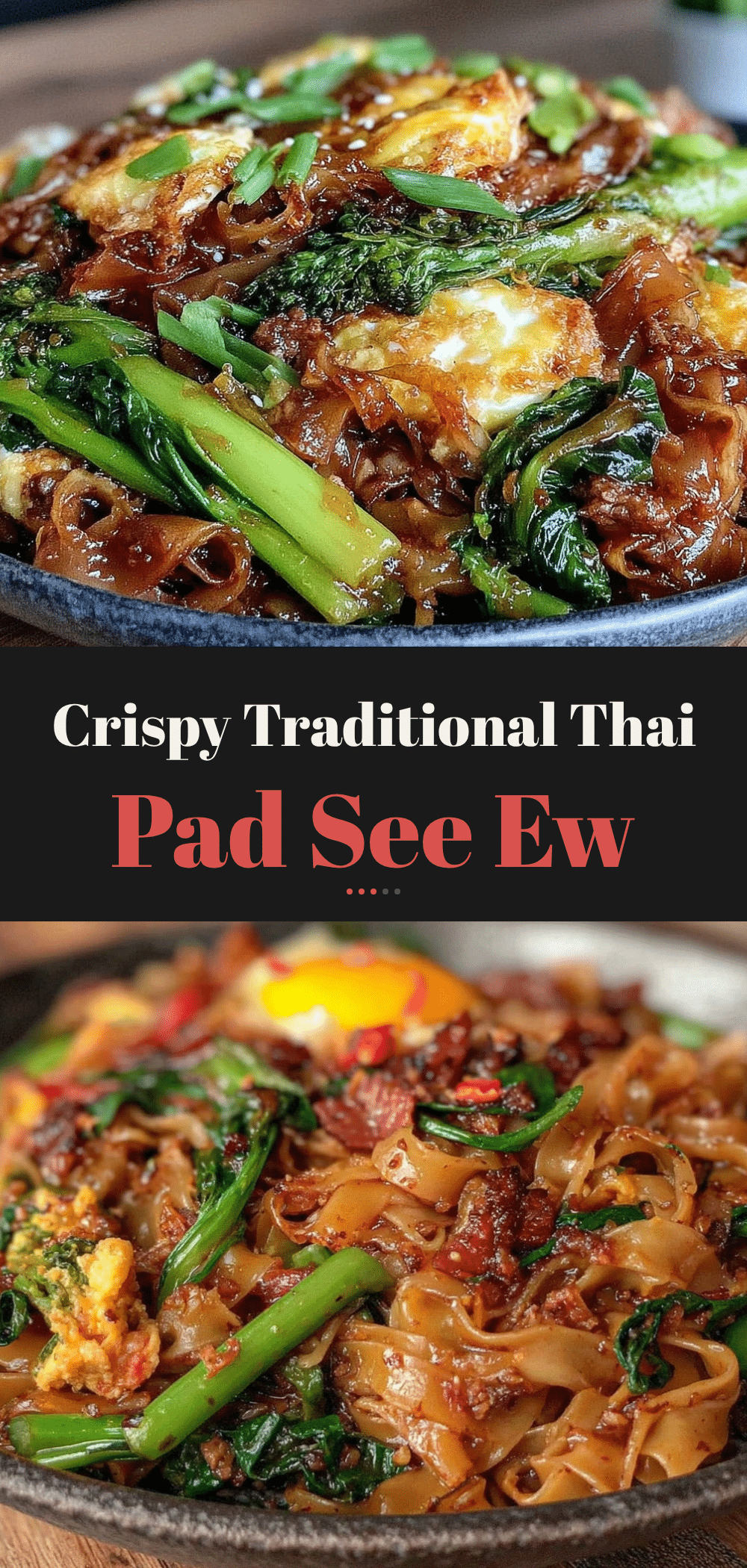
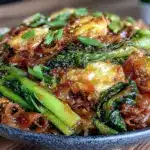
Traditional Thai Pad See Ew: 15-Min One-Pan Weeknight Dinner
- Total Time: 15 minutes
- Yield: 4 servings 1x
Description
A fast, one-pan stir-fry made with wide rice noodles, chicken, and Chinese broccoli in a sweet and savory sauce. Ready in just 15 minutes with minimal cleanup.
Ingredients
- 8 ounces wide rice noodles
- 2 cups Chinese broccoli (Gai Lan), chopped
- 1 large chicken breast, sliced thin
- 2 large eggs
- 2 tablespoons soy sauce
- 2 tablespoons oyster sauce
- 1 tablespoon dark soy sauce
- 1 tablespoon tamarind paste
- 1 tablespoon sugar
- 4 cloves garlic, minced
- 2 tablespoons vegetable oil
- 1/2 teaspoon white pepper
Instructions
- Soak the rice noodles in warm water for 10-15 minutes until soft, then drain well and pat dry.
- In a small bowl, whisk together soy sauce, oyster sauce, dark soy sauce, tamarind paste, sugar, and white pepper until the sugar is dissolved.
- Heat 1 tablespoon of oil in a large skillet or wok over high heat. Add sliced chicken and cook for 2-3 minutes until browned and cooked through. Remove chicken and set aside.
- Add another tablespoon of oil to the pan. Crack eggs into the pan and scramble quickly, breaking into small pieces. Push eggs to the side or remove to the plate with the chicken.
- Add minced garlic to the pan and stir for 30 seconds until fragrant. Add Chinese broccoli (stems first, then leaves) and stir-fry for 1-2 minutes until tender-crisp.
- Add the soaked noodles to the pan and pour the sauce over them. Toss gently to coat.
- Return the chicken and eggs to the pan. Toss everything together for 1-2 minutes until heated through and coated in sauce.
- Remove from heat and serve immediately, optionally topped with white pepper and lime.
Notes
Ensure the pan is very hot before adding oil to achieve ‘wok hei’ and prevent sticking. Pat noodles dry after soaking to prevent watery sauce. If you don’t have Chinese broccoli, regular broccoli or bok choy works. For vegetarian version, swap chicken for tofu and oyster sauce for mushroom sauce.
- Prep Time: 5 minutes
- Cook Time: 10 minutes
- Category: Main Course
- Cuisine: Thai
Nutrition
- Serving Size: 1 plate
- Calories: 450
- Sugar: 8
- Sodium: 800
- Fat: 12
- Saturated Fat: 3
- Carbohydrates: 55
- Fiber: 3
- Protein: 25
Keywords: Thai food, Pad See Ew, stir fry, one pan dinner, weeknight dinner, rice noodles, chicken stir fry, quick meals